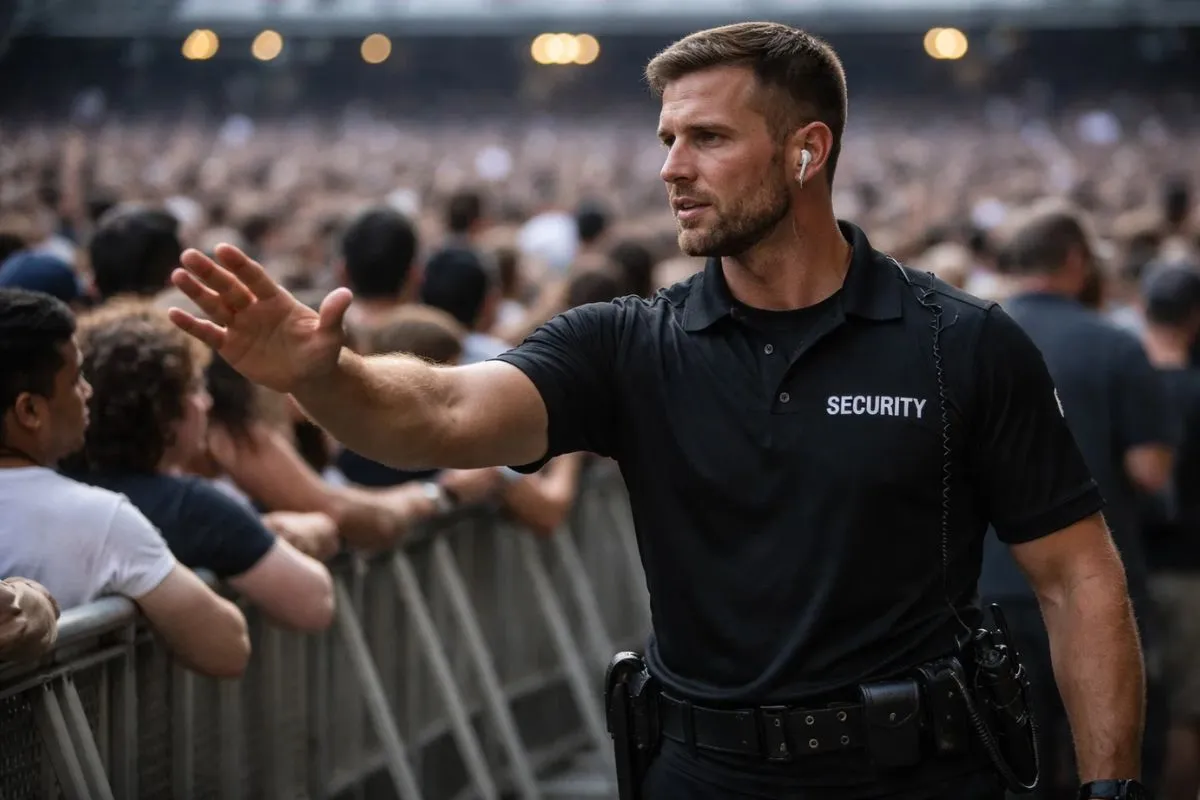

Armed security guards provide enhanced protection for high-risk facilities by combining trained surveillance skills with firearm capabilities. These professionals monitor premises, patrol assigned areas, and respond to emergencies more effectively than unarmed personnel in dangerous situations. Their specialized training covers weapon handling, threat assessment, crisis management, and legal enforcement procedures that standard security lacks. Organizations hire armed guards when facing elevated threats, protecting valuable assets, or managing large public gatherings that require stronger deterrence.
The cost of hiring armed security exceeds unarmed options due to additional training, liability insurance, and specialized qualifications required. Key responsibilities include constant surveillance using modern technology, regular patrols, detaining suspects, and serving as first responders during emergencies. Armed guards only use weapons as a last resort, focusing primarily on prevention and de-escalation techniques. Understanding the differences between armed and unarmed security helps businesses choose the right protection level for their specific needs. This guide explains what armed security guards do, why they matter, and how they differ from other security options.
Why Armed Security Personnel Matter
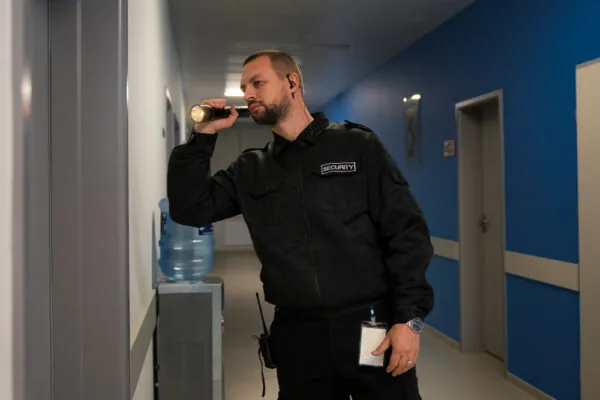
High-risk locations often require professionals equipped with firearms to handle potential threats and criminal activity effectively. Their visible presence serves as a powerful deterrent, making criminals think twice before attempting any dangerous actions. These professionals can neutralize threats more quickly and decisively than those without weapons. They create an additional security layer that proves essential in protecting sensitive facilities and crowded public spaces. Organizations with valuable assets or high foot traffic particularly benefit from this enhanced level of protection.
Key Responsibilities of Armed Personnel
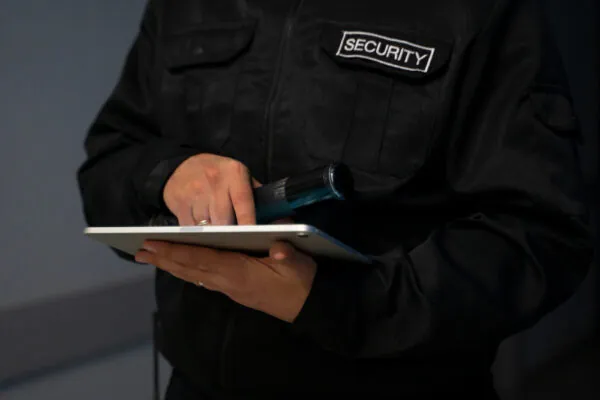
Armed security professionals handle multiple critical tasks that protect facilities and ensure public safety throughout their shifts. Monitoring surroundings for suspicious behavior ranks among their most important daily activities and requires constant vigilance. They utilize cameras, alarm systems, and modern surveillance equipment to detect potential threats before they escalate. This proactive approach helps identify security concerns early and allows for swift intervention when necessary. Their trained eyes spot unusual patterns that others might overlook during routine operations. Regular patrols throughout assigned areas serve dual purposes of deterring criminal activity and enabling rapid response capabilities. Walking through different zones keeps potential wrongdoers aware that security personnel are actively present and alert.
These patrols also allow professionals to identify vulnerabilities in security systems and address them promptly. Quick response times during incidents often prevent minor situations from becoming major security breaches. Enforcing property rules and regulations falls within their scope of authority when dealing with legal violations. They can detain individuals engaging in illegal activities until local authorities arrive to handle the situation officially. This capability ensures that criminal behavior receives immediate attention rather than allowing perpetrators to escape. Their presence maintains order and accountability within the spaces they protect. Emergency situations often require these professionals to act as first responders before specialized teams arrive on scene.
They manage fires, medical emergencies, and security threats using their comprehensive training until additional help reaches the location. Their ability to stay calm under pressure helps stabilize dangerous situations and minimize potential harm. Swift action during critical moments can save lives and prevent property damage from worsening. Despite carrying firearms, their primary mission focuses on prevention rather than confrontation or the use of force. They employ weapons only as a final option when all other methods have failed to resolve threats. This restraint demonstrates their professionalism and commitment to de-escalation techniques whenever possible during tense situations.
How Armed and Unarmed Security Personnel Differ
Both types of security professionals work toward the same objective of maintaining safety, but their methods differ significantly. Personnel carrying firearms complete more intensive preparation programs that cover weapon handling, safety protocols, and crisis management. This extended training equips them with specialized skills needed to manage potentially violent confrontations and high-stakes scenarios. Their education goes beyond basic security principles to include tactical response techniques and legal considerations. Assignments for armed personnel typically involve protecting valuable assets or managing locations with elevated threat levels daily.
They handle situations where the risk of serious harm or criminal activity remains substantially higher than average. These challenging environments demand the enhanced capabilities that armed professionals provide through their specialized expertise. Organizations place them where standard security measures may prove insufficient for adequate protection. Their authority expands in certain circumstances due to their capacity to neutralize serious threats using appropriate force. This elevated responsibility allows them to take decisive action when facing dangerous individuals or life-threatening situations.
Their enhanced capabilities provide organizations with stronger defensive options during critical incidents that require immediate intervention. Employing armed professionals generally costs more than hiring unarmed personnel because of increased liability and specialized training requirements. The higher investment reflects the additional qualifications, insurance coverage, and risk management associated with firearms on premises. Budget considerations often influence which type of security solution best suits an organization’s specific needs and threat assessment.
Final Thoughts
Security professionals equipped with firearms fulfill an essential function in protecting communities and maintaining public safety standards. Their visible presence discourages criminal behavior and helps prevent volatile situations from spiraling into dangerous confrontations. Both armed and unarmed personnel contribute significantly to creating secure environments where people feel protected and safe. Choosing the right security approach depends on your specific risk level, asset value, and environmental factors. Whether you need protection for construction sites, shopping centers, hotels, or locations in Hunters Creek Village, Kingwood, or The Woodlands, investing in properly trained security solutions ensures your property and people receive the protection they deserve. For more information about workplace safety and industry insights, consult with professional resources or explore security technology advances before making your final decision. Contact us today to discuss your security needs.
FAQs
What licensing requirements must armed security personnel complete before working?
Most states require candidates to be at least 21 years old, complete specialized firearms training courses, pass background checks, and maintain valid firearm permits. Requirements vary significantly by state, with some demanding ongoing certification and annual range qualifications to stay current.
What typical work schedules do armed security professionals follow?
Armed guards commonly work eight-hour or twelve-hour shifts, including overnight and weekend duty depending on facility needs. Many positions require full-time commitment with rotating schedules that provide 24/7 coverage for clients requiring continuous protection and surveillance.
What essential equipment do armed personnel carry besides their firearms?
Beyond firearms, professionals typically carry duty belts equipped with handcuffs, flashlights, two-way radios, pepper spray, batons, and body cameras. Some high-risk assignments also require body armor, tactical vests, extra ammunition magazines, and protective gear for complete readiness.
Are there physical fitness requirements for becoming an armed guard?
While most states don’t mandate fitness tests, employers expect reasonable physical conditioning for demanding duties like extended patrols and emergency responses. Guards should maintain stamina to stand for long periods, chase suspects when needed, and handle physically challenging situations effectively.
When should businesses consider hiring armed versus unarmed security personnel?
Businesses handling large cash amounts, protecting high-value assets, operating in high-crime areas, or facing elevated threat levels benefit from armed protection. Lower-risk environments with minimal threats typically find unarmed guards sufficient for monitoring, deterrence, and basic security coverage needs.