
Security guards operate across ten distinct classification levels, each designed for specific protection scenarios and risk environments. These classifications range from basic unarmed personnel to specialized tactical units and centralized monitoring operations. Understanding these levels helps property owners and businesses select the right security solution for their needs. Each tier brings unique training requirements, certification standards, and operational capabilities to address varying security challenges.
The security industry categorizes personnel based on their training depth, equipment authorization, and operational responsibilities. Entry-level positions focus on customer interaction and basic monitoring, while advanced tiers handle armed protection and crisis response. Choosing the appropriate level depends on factors like facility type, threat assessment, and compliance requirements. Investment costs vary significantly across classifications, with specialized units requiring higher budgets than foundational services.
This comprehensive guide breaks down all ten security guard levels to help you make informed protection decisions. You’ll discover what qualifications each tier requires and which environments benefit most from specific classifications. Whether you need simple access control or complex tactical response capabilities, understanding these distinctions ensures optimal security coverage. Learn how each level contributes to comprehensive protection strategies for residential, commercial, and high-risk facilities.

Understanding Security Guard Classification Levels
Entry Level: Basic Unarmed Officers
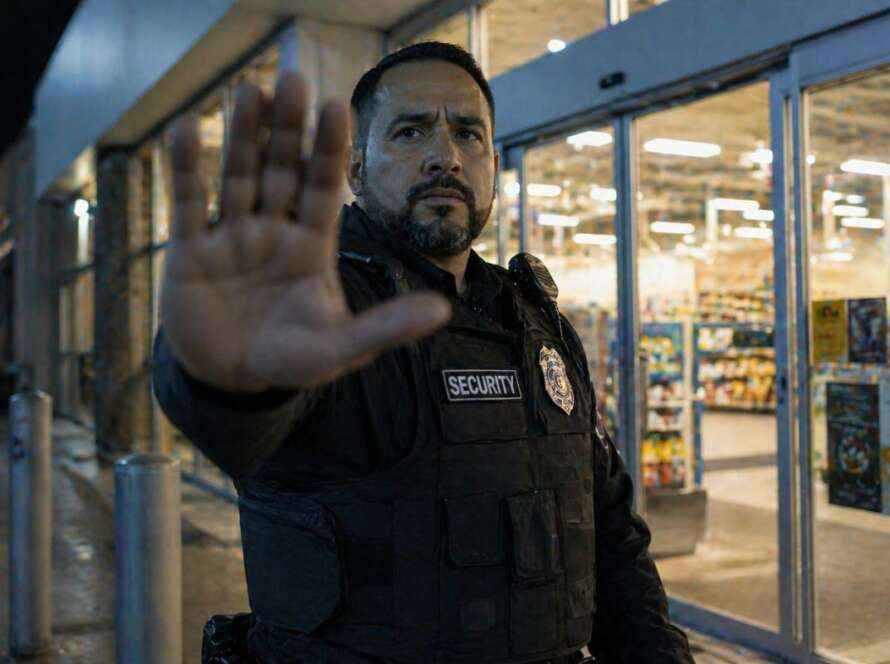
These professionals receive foundational training in monitoring access points and providing customer assistance. They learn basic incident documentation and communication protocols. You’ll find them stationed at reception areas, shopping centers, and apartment complexes. Their primary role focuses on maintaining visible presence and creating welcoming environments. They serve as the first line of contact for visitors and residents. Unarmed security personnel provide essential protection without the presence of firearms.
Second Level: Mobile Patrol Officers
Licensed personnel perform vehicle-based patrols across multiple locations during their assigned shifts. They respond to alarm activations and conduct property inspections. Their equipment includes communication devices, illumination tools, and electronic reporting systems. This mobile approach allows efficient coverage of extensive areas. They bridge the gap between static posts and rapid response needs. Professional security associations provide ongoing training standards for patrol officers.
Third Level: Armed Protection Officers
State certification authorizes these guards to carry weapons after completing comprehensive background investigations. They undergo mental health evaluations and complete extensive firearms training programs. Financial institutions, luxury retailers, and high-value businesses typically employ their services. Their presence provides enhanced deterrence in elevated risk environments. They balance customer interaction with heightened security awareness. Armed security services require strict licensing compliance at the state level.
Fourth Level: Close Protection Specialists
Elite professionals provide personal security through advance planning and route coordination. They master defensive driving techniques and discreet protection methods. High-profile individuals rely on them for safety at residences, workplaces, and during transportation. Their training emphasizes threat assessment and situational awareness. They adapt seamlessly to various environments while maintaining security protocols. Security industry publications regularly cover best practices for executive protection.
Fifth Level: Tactical Response Units
Specialized teams prepare for critical incidents including active threats and crowd disturbances. They deploy with protective gear, non-lethal equipment, and rapid response vehicles. Their training covers crisis management in high-risk situations. These units provide immediate intervention when standard security measures prove insufficient. They coordinate closely with emergency services during critical events. Private security regulations govern tactical team operations and equipment standards.
Sixth Level: Fire Safety Monitors
Certified personnel patrol facilities when fire protection systems require temporary shutdown for maintenance. They document compliance activities and maintain detailed inspection logs. Construction zones, medical facilities, and industrial plants frequently require their services. Their work ensures regulatory requirements remain met during system downtime. They communicate directly with fire safety authorities throughout their assignments. OSHA compliance standards mandate proper fire watch protocols during system maintenance.
Seventh Level: Covert Security Personnel
These officers blend into normal operations to identify internal theft and workplace misconduct. They observe daily activities without drawing attention to their security role. Evidence gathering occurs discreetly before coordination with management or authorities. Their investigations help organizations address problems from within. They provide valuable intelligence on internal security vulnerabilities. Warehouse facilities often utilize undercover personnel to prevent inventory shrinkage.
Eighth Level: Special Event Security
Trained professionals manage crowds, conduct entry screenings, and coordinate emergency procedures at gatherings. They handle VIP movement and access control for concerts, festivals, and conferences. Large-scale events require their expertise in managing public safety. Their preparation includes evacuation planning and incident response protocols. They ensure smooth operations while maintaining attendee safety standards. Event security specialists undergo specialized training in crowd dynamics and emergency response.
Ninth Level: Canine Security Teams
Handlers work alongside trained dogs for detection and patrol duties at sensitive locations. Transportation hubs, educational institutions, athletic venues, and shipping centers utilize their capabilities. The animals provide both psychological deterrent and rapid detection abilities. Teams undergo continuous training to maintain certification and effectiveness. Their presence significantly enhances overall security coverage. Hotel properties increasingly deploy K-9 units for enhanced guest safety.
Tenth Level: Central Monitoring Operations
Remote supervisors oversee live camera feeds, location tracking, and alarm systems for field personnel. They coordinate multiple teams simultaneously and ensure continuous communication across all posts. This centralized approach enables instant incident escalation and resource deployment. No officer works in isolation with this oversight structure in place. Real-time monitoring creates seamless coordination between security layers. Building security operations benefit significantly from integrated command center oversight.
Conclusion
Selecting the appropriate security level requires careful assessment of your specific protection needs and risk factors. Each classification serves distinct purposes ranging from basic access control to specialized tactical operations. Understanding these ten levels helps organizations make informed decisions about their security investments. The right security personnel create safer environments while addressing unique operational challenges effectively. Industry professionals continuously update best practices to reflect evolving threat landscapes.
Modern security demands more than a one-size-fits-all approach to protecting people and assets. Evaluate your facility type, risk exposure, and budget constraints before choosing security services. Consider starting with foundational levels and scaling up as your security requirements evolve over time. Proper security classification matching ensures optimal protection while maximizing your investment in safety measures. Contact security experts to determine which levels best address your specific operational needs. Professional security resources offer valuable insights into emerging trends and technologies. Regional providers serving Hunters Creek Village, Kingwood, and The Woodlands deliver customized protection solutions. Security protection associations maintain certification standards across all classification levels. Global security insights demonstrate how different regions implement tiered security approaches. Cybersecurity integration increasingly complements physical security measures in comprehensive protection strategies.
FAQs
How long does training take to become a security guard?
Basic training typically requires 8 to 40 hours depending on your state requirements and classification level. Armed positions demand significantly more extensive coursework and range time before certification approval.
Can security guards legally detain or arrest individuals?
Security personnel can perform citizen’s arrests when witnessing crimes, but powers vary by state jurisdiction. Most guards detain suspects temporarily while contacting law enforcement for official arrests and processing.
What physical fitness requirements must security guards meet?
Most positions require ability to stand for extended periods and pass basic health screenings. Tactical and executive protection roles demand higher fitness standards including strength tests and endurance evaluations.
Do you need prior experience to start as a security guard?
Entry-level unarmed positions typically require no previous experience, just mandatory state training completion. Advanced roles like armed officers or tactical units need documented security experience and specialized skill demonstrations.
How frequently must security guards renew their professional licenses?
Most states mandate license renewals every one to two years with continuing education requirements. Armed guards face stricter renewal processes including updated background checks and firearms requalification at approved ranges.