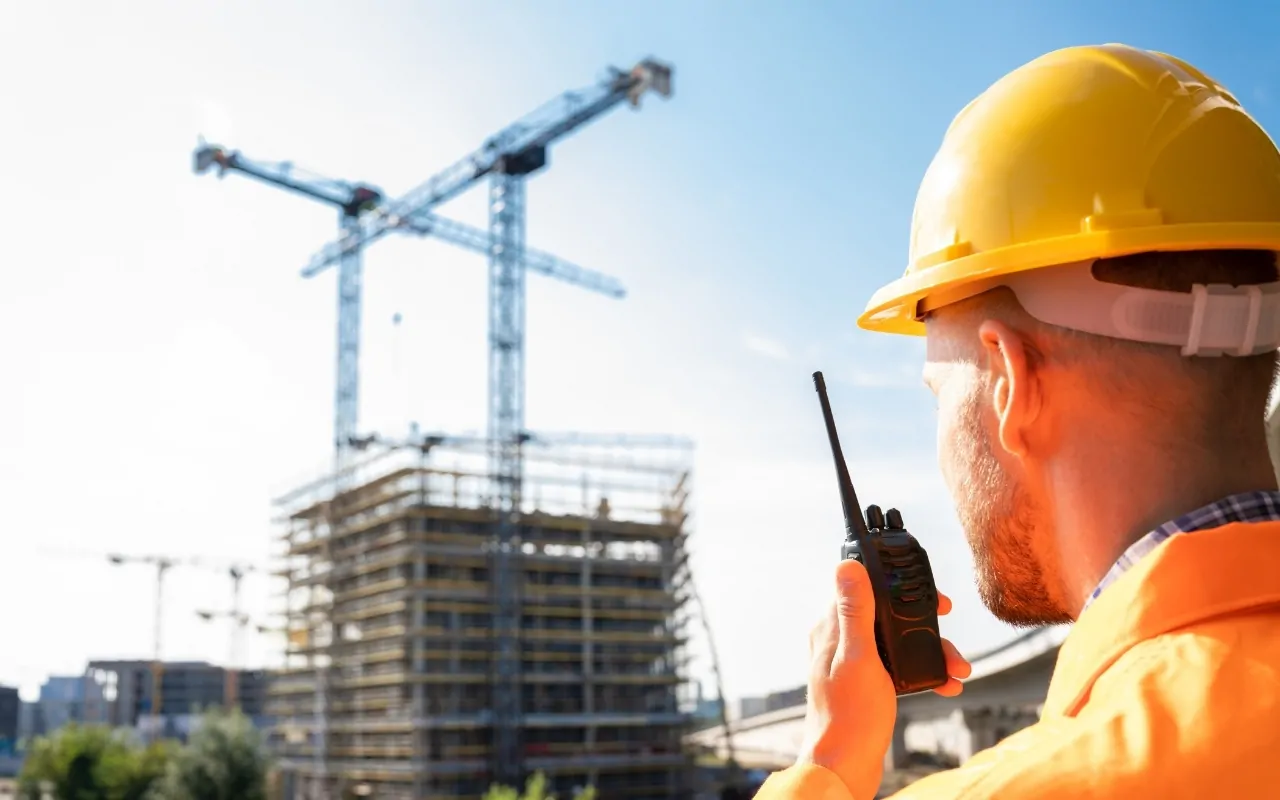
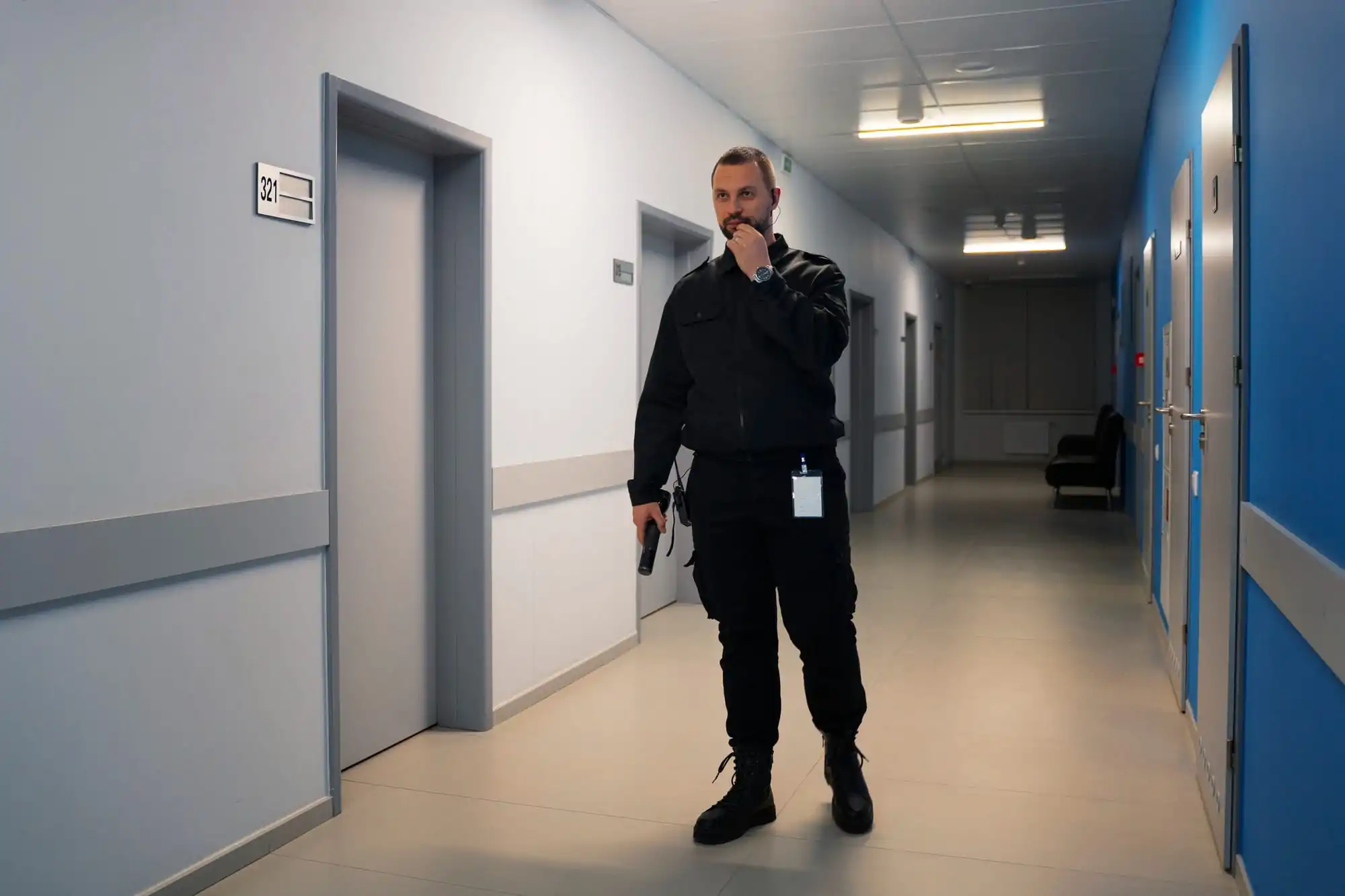
Level 3 security guards are highly trained security professionals who represent the advanced tier of the security industry, authorized to handle complex security situations that require specialized skills and expanded legal authority. Unlike basic security personnel, Level 3 guards complete extensive training programs ranging from 40-100 hours of advanced coursework covering emergency response, surveillance technology, conflict resolution, and legal procedures.
What sets Level 3 security guards apart: They can make citizen arrests, use reasonable force when necessary, detain suspects until law enforcement arrives, and may carry firearms when properly licensed.
Training requirements include: Completion of Level 1 and Level 2 security programs first, specialized advanced training in tactical defense and surveillance systems, comprehensive written and practical examinations, and ongoing certification maintenance. The entire certification process typically takes several months to over a year, depending on local regulations and training schedules.
Key responsibilities encompass: Access control and building security, advanced surveillance monitoring, emergency response and crisis management, detailed incident documentation, crowd control at large events, and coordination with law enforcement agencies.
Level 3 guards serve as the critical bridge between basic security services and law enforcement, providing enhanced protection where standard security measures fall short. This professional certification opens doors to supervisory roles, specialized fields like executive protection, and various high-security work environments across multiple industries.
Understanding Level 3 Security Guards: Your Complete Guide to Advanced Protection Services
Security officers serve as the backbone of protection services across countless facilities and businesses today. When it comes to armed security professionals, Level 3 guards stand out as highly trained experts who handle greater duties and meet strict requirements. This complete guide breaks down everything you need to know about Level 3 security officers, examining their daily tasks, required skills, and vital contributions to keeping people and property safe in today’s security landscape.
What is Level 3 Security Certification?
Level 3 security represents a high-level training program for security professionals who want to advance their careers and take on greater responsibilities. This certification level focuses on building expert-level abilities and knowledge that go far beyond basic security duties. Across different areas, this advanced training typically covers these essential components:
- Expert Problem-Solving Skills: Security professionals learn how to calm down tense situations and resolve conflicts peacefully without using physical force. This training teaches them to talk through problems and find solutions that work for everyone involved.
- Professional Defense Methods: Guards receive hands-on training in protective techniques that include learning how to safely use non-deadly security tools. These skills help them protect themselves and others when situations become challenging.
- Crisis Management Response: Security officers develop the ability to handle urgent medical situations, follow proper fire safety steps, and work closely with police and emergency services when needed.
- Advanced Monitoring Systems: Professionals master the latest surveillance technology and learn how to effectively watch over areas using modern security equipment. These technical skills make them more valuable in today’s security field.
- Essential Legal Training: Security workers build a strong understanding of security laws, including when they can make arrests and how to respect people’s privacy rights. This legal knowledge protects both the security professional and their employer from potential problems.
Key Duties and Responsibilities
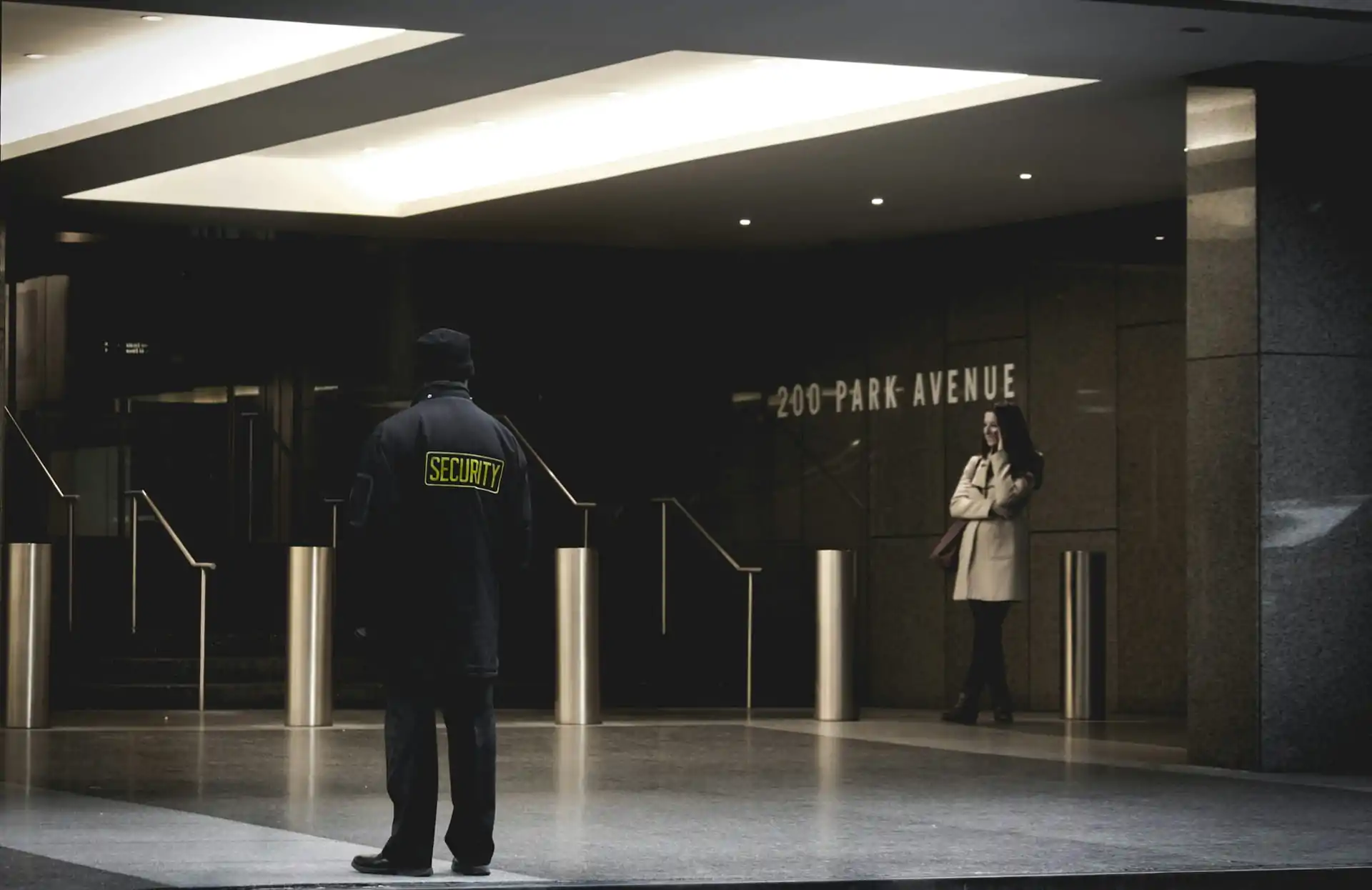
Managing Building Entry and Exit
A major job duty for Level 3 security professionals working in building security is controlling who comes and goes from buildings and facilities. This means making sure only the right people can get inside by checking their permission to enter. Security guards use modern electronic door systems, examine identification cards and badges, and keep watch over all entrance and exit doors. Their goal is to stop anyone without proper authorization from getting into secure areas where they don’t belong.
Watching and Protecting Areas
Level 3 security professionals have an important job keeping watch over buildings and properties through detailed observation and protection activities. They work with high-tech security equipment including video camera systems, walk through different areas on scheduled rounds, and use various types of monitoring devices to spot possible dangers before they become real problems. Their careful attention to detail and fast action when they notice strange or suspicious behavior helps stop security problems from happening and keeps everyone in the area safe and protected.
Crisis and Emergency Management
When urgent situations happen, Level 3 security professionals are ready to act fast and handle things the right way to keep everyone safe and secure. They usually become the first people to step in during serious problems like building fires, someone getting hurt, or security threats, showing how well-prepared and skilled they are. Their complete training, which follows guidelines from OSHA, includes learning emergency steps, basic medical help, and how to work well with police, firefighters, and paramedics.
Detailed Incident Documentation
Creating correct and quick reports is a key part of what Level 3 security professionals do to keep places safe and secure. This important task makes sure that every problem or event gets written down properly so it can be looked at carefully later. These written records become important proof for police investigations, court cases, and company reviews, helping everyone understand what really happened and who was responsible.
Managing Large Groups of People
Controlling big crowds at special events or busy public spaces is a key job that needs careful watching and professional skills. Level 3 security professionals must make sure people act in a calm and organized way, work ahead of time to stop areas from getting too crowded, and handle any trouble that starts quickly and in the right way. This expertise is especially valuable for shopping center security assignments.
Essential Skills and Qualifications Needed
Strong Physical Condition
Being in excellent physical shape is absolutely necessary for Level 3 security professionals because their job requires both staying power and quick movement abilities. Their daily work at warehouse security locations includes long hours of standing on their feet, walking around large areas for security checks, and being ready to move fast when emergencies happen.
Clear Communication Abilities
Being able to talk and write well is extremely important for Level 3 security professionals because it helps them work smoothly with the public, other workers, and emergency responders in all kinds of situations. When they can share information in a clear and correct way, it stops confusion from happening, makes sure everyone works together properly, and keeps everyone safe.
Quick Decision-Making Skills
When security problems arise, thinking fast and making smart choices is key to handling possible dangers and stopping small problems from becoming big ones. Level 3 security professionals need to quickly look at what’s happening around them, spot any strange behavior or unsafe conditions, and take the right actions to keep everyone secure.
Learning and Certification Requirements
Getting qualified as a Level 3 security professional means finishing both basic and advanced security classes that teach many different subjects. The National Association of Security Companies sets industry standards for this training, which includes how to handle emergencies, use watching equipment, and solve disagreements peacefully.
Foundation Training
Foundation training gives security workers the important abilities they need in main areas like walking through buildings to check for problems, controlling who can enter facilities, and following proper emergency response steps. When trainees learn these basic procedures well, they build the skills required for unarmed security guard services.
Specialized Training
Specialized training for Level 3 security professionals includes expert classes in watching and monitoring systems, protective fighting techniques, and handling dangerous high-risk situations safely. These classes are built to give security workers the abilities they need to take care of more complicated and challenging job duties at construction site security locations.
Official Qualification Steps
The official qualification steps for Level 3 security professionals include passing tough written tests and hands-on skill checks to demonstrate their abilities in many different security-related jobs and tasks. These detailed evaluations, recognized by ASIS International, cover many important subjects.
What Does Security Level 3 Actually Mean?
Security Level 3 represents a professional grade where security workers have completed advanced safety training and earned special certificates needed for dealing with more dangerous and challenging situations. This level shows that these security professionals working at hotel security and other high-risk locations have the expertise to handle complex problems. Key features include:
- Complete Knowledge of Emergency Procedures: Security professionals at this level have thorough understanding of all emergency response plans and safety protocols.
- Expert Skills in Advanced Monitoring Technology: These security workers are highly trained in using sophisticated surveillance equipment and modern security systems.
- Training in Professional Defense Methods Without Deadly Weapons: Level 3 security professionals learn how to protect themselves and others using safe defensive techniques.
Legal Rights and Restrictions
Official Legal Rights
Because of their extensive training and professional certificates, Level 3 security professionals have permission to take actions that go beyond what basic security workers can do. Their official legal rights include the power to make citizen arrests when crimes happen, use reasonable physical force when needed to protect themselves or other people, and hold suspicious individuals in place until police officers arrive at the location.
Rules for Using Physical Force
Strict laws and detailed guidelines control how Level 3 security professionals can use physical force, created to make sure they respond appropriately in different types of situations. The U.S. Department of Labor provides workplace safety standards that these security workers must follow.
Boundaries and Legal Limits
Even with their advanced training and skills, Level 3 security professionals have clear boundaries that stop them from doing specific jobs that are reserved only for police officers and law enforcement personnel. They must work strictly within the limits of the law and cannot participate in activities like making official arrests or conducting formal investigations.
Equipment and Professional Gear
Professional Uniform and Identity Badges
Level 3 security professionals wear special uniforms that make them different from other security workers and make sure their job roles can be easily recognized by everyone. These uniforms, standard across security guard services in Houston TX, include clear identification badges.
Protection and Safety Tools
To improve their ability to handle dangerous situations and threats, Level 3 security professionals may carry protection tools like expandable batons, defensive pepper spray, and restraining handcuffs. These safety tools, approved by industry standards from Security Magazine, are made to give them different choices for protecting themselves.
Contact and Communication Equipment
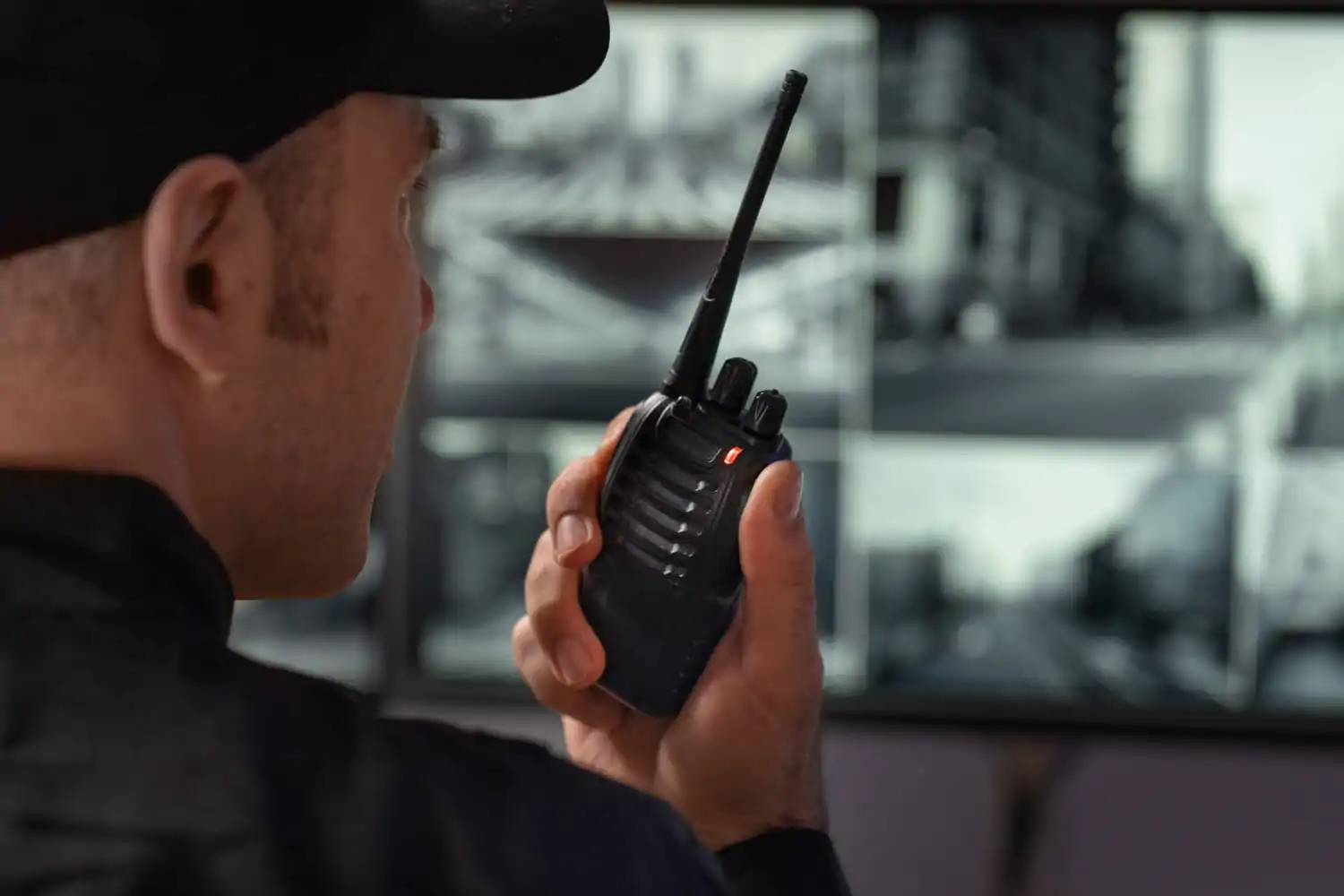
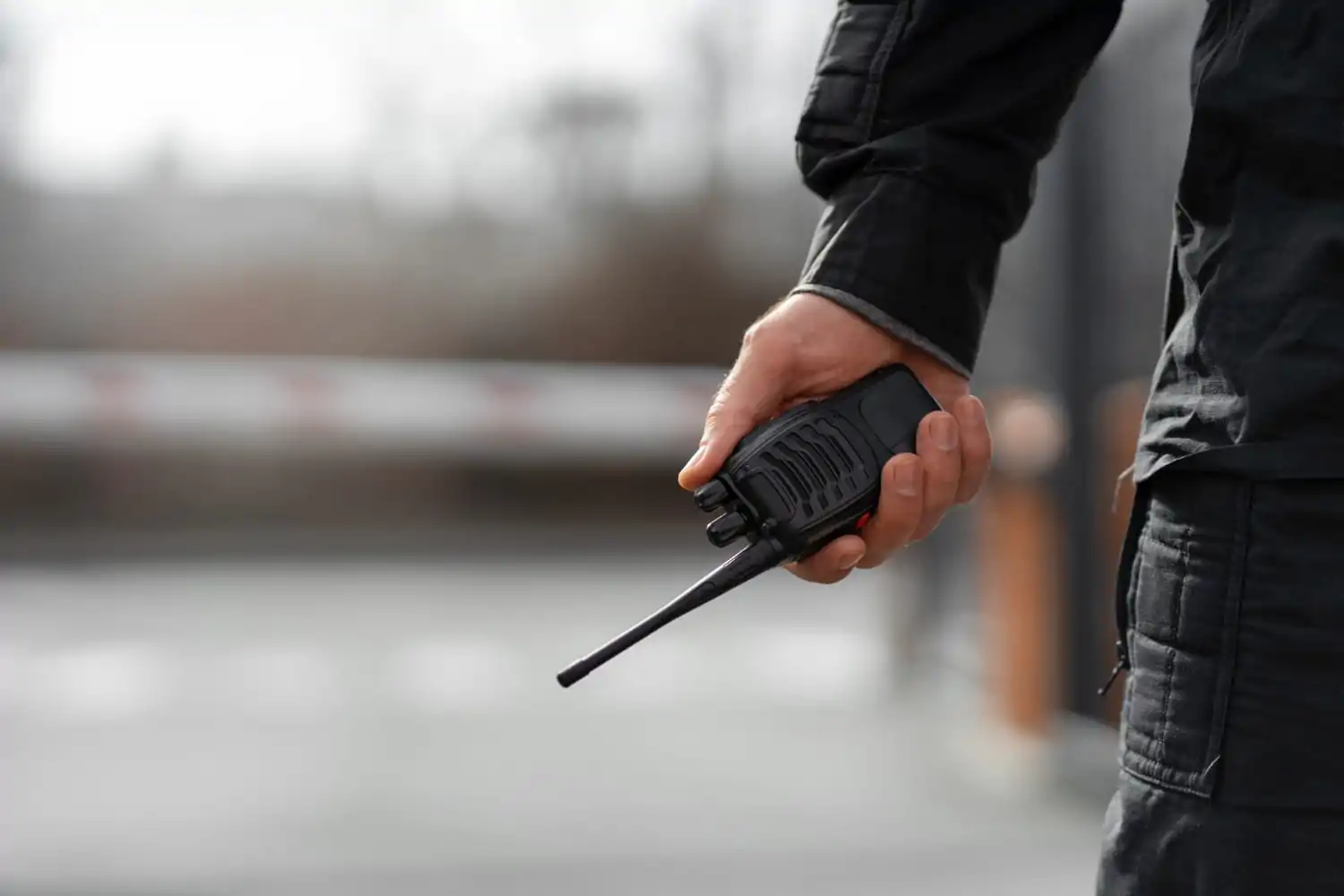
Good communication gets much better through using two-way radios, mobile phones, and other contact devices that help them stay connected. These important tools give Level 3 security professionals dependable ways to keep constant contact with their team members.
Work Settings and Locations
Business and Office Buildings
In business and office environments, Level 3 security professionals have a very important job keeping the workplace safe and secure. Companies in areas like Sugar Land and Pearland rely on these trained professionals for comprehensive protection.
Large Public Gatherings and Events
Because of their specialized training and professional skills, Level 3 security professionals are often given jobs at public events like music concerts, sporting competitions, and community festivals. Their main jobs include controlling large groups of people, doing detailed safety checks on attendees, and responding fast to any security dangers.
Dangerous and High-Risk Locations
In dangerous and high-risk places, Level 3 security professionals provide expert protection by using special methods and professional equipment designed for these challenging situations. Security teams in The Woodlands and Kingwood often handle these complex assignments.
Neighborhood and Housing Communities
In neighborhood and housing communities, Level 3 security professionals have a very important job making sure residents and their personal property stay safe. Communities in West University Place and Hunters Creek Village benefit from these advanced security services.
Career Growth and Professional Opportunities
Starting Jobs and First Steps
People who start working as basic security workers can move up to Level 3 positions by getting more work experience and finishing extra training courses. The Private Security Professionals of America provides career development resources for advancing professionals.
Moving Up to Leadership Roles
Level 3 security professionals, with their advanced training and work experience, are in excellent positions to take on supervisor or management jobs within security companies and organizations. Their expert knowledge of security rules and their leadership skills make them perfect choices for watching over teams of workers.
Expert Specialty Career Fields
When Level 3 security professionals get more training and work experience, they can move forward into expert specialty areas like personal bodyguard protection, computer and internet security, or security advice and consulting work. Industry publications like Security Today highlight these career advancement opportunities.
Work Challenges and Job Risks
Physical Dangers and Safety Threats
Level 3 security professionals face serious physical dangers because of the demanding and sometimes dangerous nature of their daily work duties. They often need to deal with angry and aggressive people, which can turn into physical fights that put their personal safety at risk.
Mental Pressure and Stress Management
Handling high-pressure situations and dealing with possible threats can cause serious emotional and mental stress for security workers. Level 3 security professionals working in areas like Pasadena and Baytown learn special training to keep their calm behavior.
Legal Problems and Consequences
Security professionals work within specific legal rules that tell them exactly what authority and responsibilities they have in their jobs. Any wrong use of this legal authority can cause serious legal problems, including expensive civil court cases or criminal charges.

Why Level 3 Security Professionals Are So Important
Making Communities Safer and More Protected
Level 3 security professionals have a very important job in making public safety better by keeping a clear and visible presence in many different places. Their work across Houston and surrounding areas creates safer environments for everyone.
Stopping Crime Before It Happens
Level 3 security professionals go through tough and detailed training that gives them specialized abilities, helping them spot and respond to possible criminal activities effectively. Their expert skills in solving conflicts peacefully and handling emergency situations creates strong confidence in the places they protect.
Creating Comfort and Confidence
Knowing that well-trained and skilled security workers are on the job gives peace of mind to people and businesses alike. Whether providing services in League City or Tomball, these professionals build trust throughout the community.
What Does a Level 3 Security License Mean?
A Level 3 security license officially certifies and authorizes security professionals to take care of advanced and specialized job duties within the security industry. This professional certification shows that these security workers have completed the necessary training and testing to handle more complex responsibilities.
Based on specific rules and regulations in different states and regions, Level 3 licensed security professionals may be authorized to perform these important duties:
- Carrying and Using Firearms: Licensed to carry and use guns safely and legally when their job requires armed protection
- Handling Dangerous High-Risk Situations: Specially trained to manage extremely dangerous situations
- Responding Quickly to Security Alarms: Authorized to respond immediately to security alarm systems
- Legally Detaining Suspicious People: Given legal authority to safely detain suspects
- Giving Emergency Medical Help: Trained to provide basic emergency first aid
- Making Quick Important Decisions: Qualified to perform challenging tasks requiring fast thinking
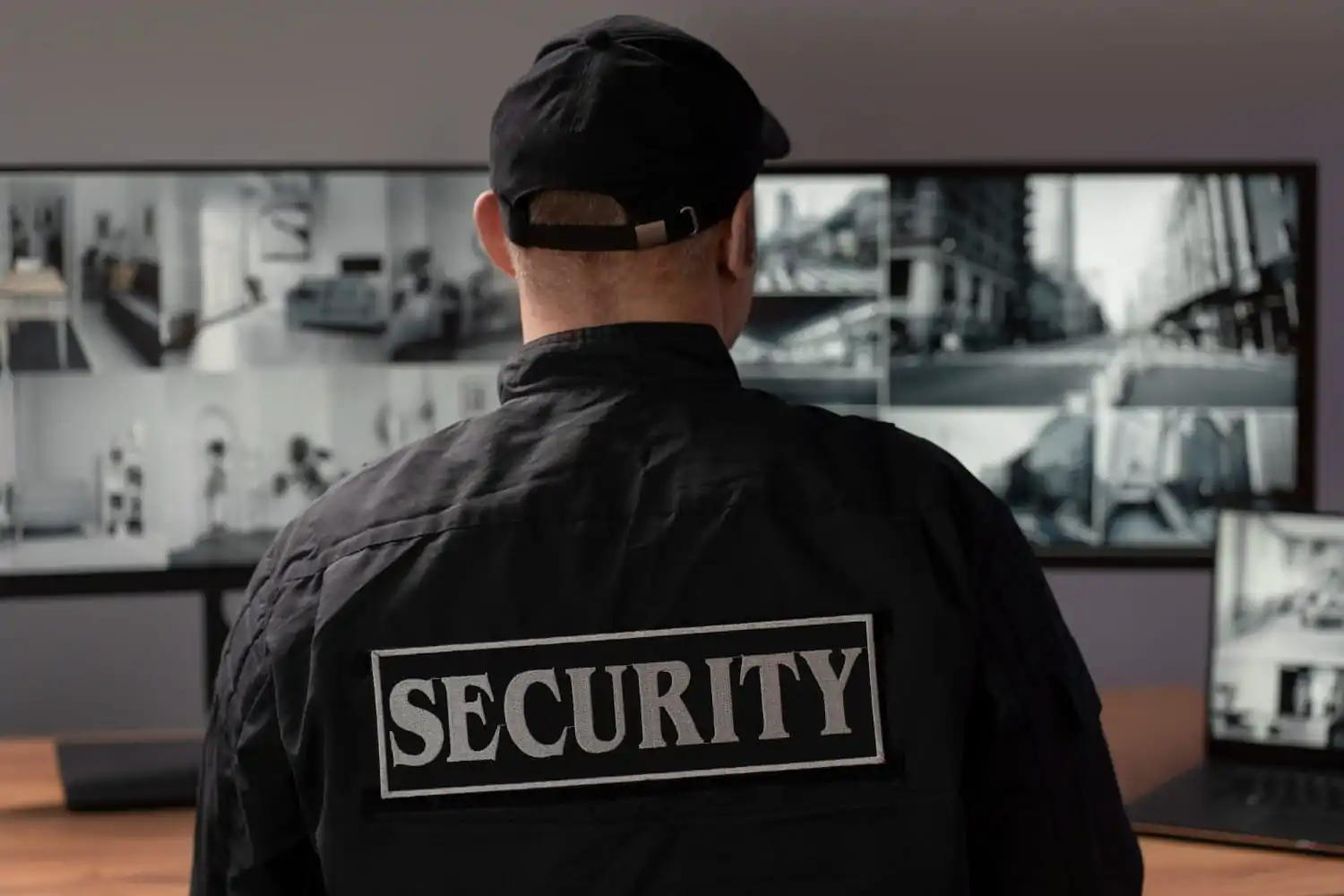
Key Differences Between Level 2 and Level 3 Security Professionals
Education and Professional Qualifications
Level 3 security professionals get much higher education and professional qualifications than Level 2 security workers. This advanced education includes expert knowledge in important areas like emergency response procedures, safely handling firearms, and controlling dangerous situations.
Job Tasks and Work Responsibilities
Level 3 security professionals handle more complicated job tasks compared to Level 2 workers. They take responsibility for watching over critical areas, which may include protecting secret information, valuable company property, or important people needing special security.
Legal Rights and Professional Powers
Level 3 security professionals receive greater responsibilities and legal rights compared to Level 2 security workers. Their advanced certification allows them to carry firearms legally, detain suspects safely, and handle complicated security situations requiring expert knowledge.
What Is the Top Level of Security Professional?
The top level of security professional is usually called Level 4 or Executive Protection Specialist. These highly trained security experts provide protection services for very important people and extremely valuable assets. Their extensive training covers:
- Expert Combat and Defense Training: This includes learning weapon use and armed response skills effectively and safely. These professionals master advanced fighting techniques and defensive strategies.
- Danger Evaluation and Planning Skills: These experts develop strong abilities in analyzing potential threats and creating preventive security plans. They study situations carefully, spot dangers early, and make detailed protection plans.
- Professional VIP Escort Services: Level 4 security specialists become highly skilled in safely escorting important people through different dangerous environments. They master techniques for moving clients safely while watching for potential problems.
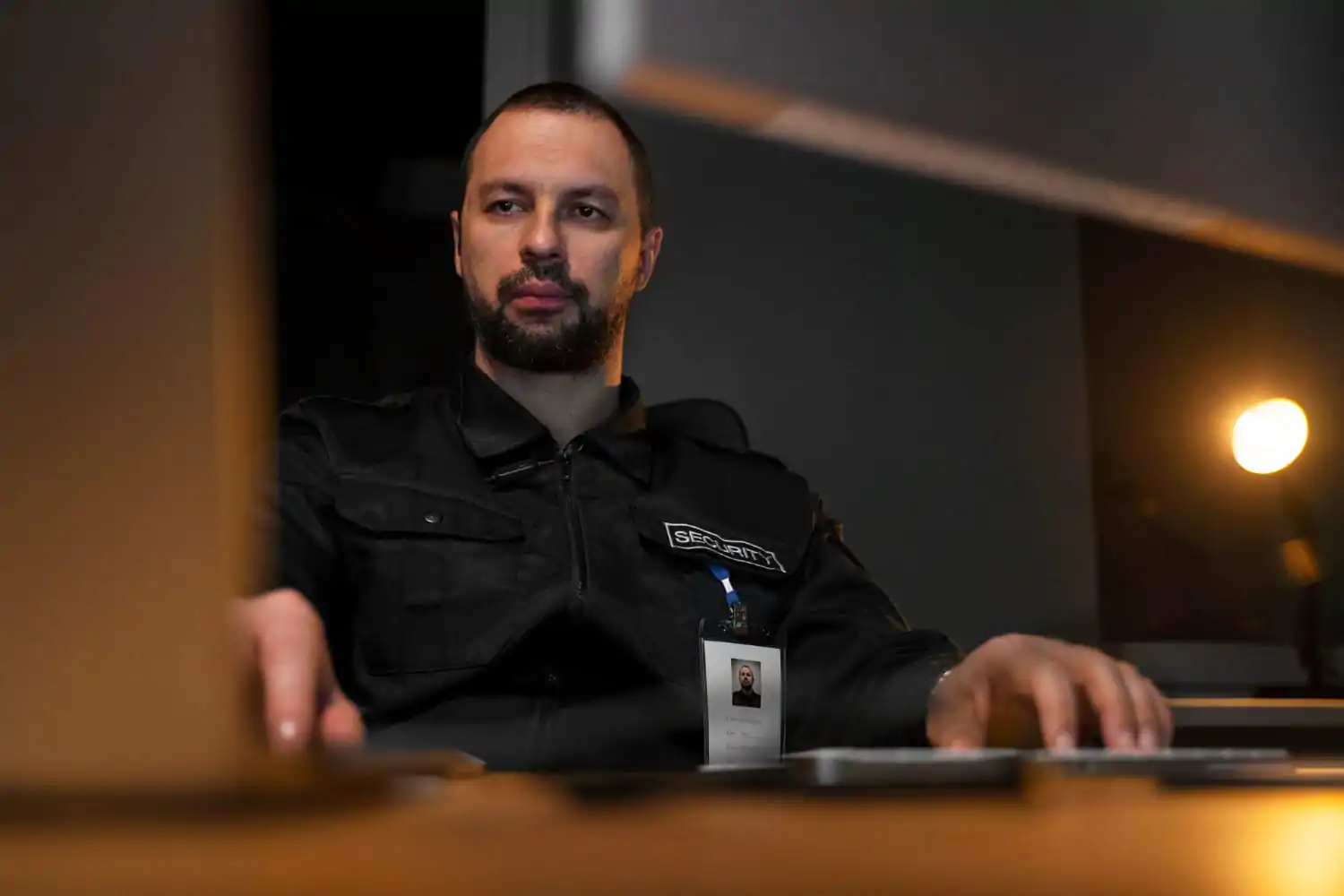
How Much Time Is Needed to Get Level 3 Security Certification?
Getting Level 3 security certification can take different amounts of time depending on where you live and what specific training rules your area requires. The time needed includes several important steps:
Finishing Lower Level Training Programs First
Before starting Level 3 training, you must successfully complete both Level 1 and Level 2 security training programs. These beginning courses teach basic skills and knowledge needed before advancing. This foundation training usually takes several weeks to complete.
Completing Specialized Advanced Training Hours
You must spend specific hours in advanced training classes teaching specialized skills for Level 3 work. This advanced training typically ranges from 40 to 100 hours of classroom time, depending on state requirements for certification.
Passing Detailed Written and Practical Tests
The final step involves passing complete exams testing both book knowledge and hands-on practical abilities in real security situations. These comprehensive tests ensure you understand security theory and can perform job duties correctly and safely.
The entire process from start to finish typically takes anywhere from several months to over a year, depending on your study schedule and local requirements.
Security Professional Rules and Training Standards
To better understand official rules and training standards controlling Level 3 security professionals, the United States Bureau of Labor Statistics provides detailed examination of the security worker profession, including qualifications needed, training requirements, and future job opportunities available.
Additionally, the Occupational Safety and Health Administration (OSHA) provides helpful guidelines about workplace safety, including important safety measures and detailed procedures extremely important for security professionals handling high-risk situations regularly.
Having access to these official government resources helps security professionals stay up-to-date with current industry standards, understand legal obligations, and maintain the highest level of professional competence in their important work.
Conclusion
Level 3 security professionals represent the advanced tier of the security industry, combining extensive training, specialized skills, and increased legal authority to handle complex security challenges. These highly qualified experts serve as the critical link between basic security services and law enforcement, providing essential protection in high-risk environments where standard security measures fall short.
For those considering a career in security, pursuing Level 3 certification opens doors to better-paying positions, greater responsibility, and diverse work environments. The comprehensive training prepares security professionals for real-world challenges while building expertise that employers value highly. For businesses and organizations looking for professional security services, investing in Level 3 security professionals means enhanced protection, professional crisis management, and peace of mind.
Frequently Asked Questions
Can Level 3 security guards legally carry firearms?
Yes, Level 3 security professionals can carry firearms when properly licensed and authorized by state regulations. However, firearm carrying privileges vary by location and require additional specialized training, background checks, and ongoing certification. Not all Level 3 positions require armed duties, and many roles focus on advanced non-lethal security techniques.
How much do Level 3 security professionals typically earn?
Level 3 security professionals generally earn significantly more than basic security guards due to their advanced training and increased responsibilities. Salaries vary by location, employer, and specific duties, with higher earnings possible in specialized roles like executive protection.
Do security professionals need prior security experience to become a Level 3 guard?
Yes, individuals must complete Level 1 and Level 2 security training before advancing to Level 3 certification. This progressive training system ensures security professionals build foundational skills before taking on advanced responsibilities. Most certification programs require candidates to demonstrate competency at each level before progressing to the next tier of training.
What types of businesses and industries hire Level 3 security professionals?
Level 3 security professionals work in diverse environments including corporate headquarters, hospitals, airports, government facilities, high-end retail locations, special events, residential communities, and entertainment venues. Industries with valuable assets or high public interaction frequently seek Level 3 certified personnel.
Can Level 3 security guards make arrests and detain people?
Level 3 security professionals have authority to make citizen arrests and detain individuals when crimes occur, but they must operate within strict legal guidelines. They can use reasonable force to protect themselves and others, and can hold suspects until law enforcement arrives. However, they cannot conduct formal investigations like police officers.