

Most retail stores review their store security camera footage every 24 to 48 hours on average. Large chains like Walmart monitor feeds 24/7 through dedicated loss prevention teams. Smaller independent shops may only check recordings after a reported incident occurs. High-end retailers selling luxury goods tend to review footage more frequently than average. Stores typically always review cameras after theft reports, break-ins, customer complaints, or safety incidents. Most retailers store surveillance footage for 30 to 90 days before it gets overwritten. Modern systems use DVR or NVR devices, remote access software, and even AI-powered analytics. The frequency of camera checks depends on store size, product value, and local security concerns. A visible store security camera also serves as a strong deterrent against theft on its own. Below is a complete breakdown of how different retailers handle their surveillance systems.
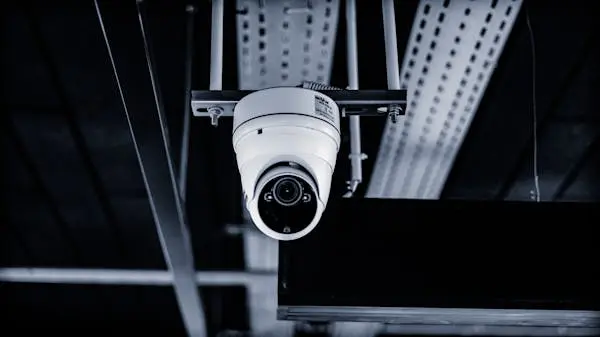
Do Retailers Actually Watch Their Cameras on a Regular Basis?
The short answer is yes, but the frequency varies a lot. How often a store security camera gets reviewed depends on the retailer. Large chains and department stores usually have full loss prevention teams in place. These teams actively watch surveillance feeds in real time as part of daily operations. Smaller independent shops handle things very differently in most cases. A small business owner might go days or even weeks without checking footage. They typically only pull up recordings after someone reports a problem. This gap in monitoring can leave smaller stores more vulnerable to unnoticed incidents.
High-end boutiques tend to review their camera footage much more often. Expensive merchandise creates a stronger need for constant visual monitoring. Luxury retailers selling jewelry, designer goods, or electronics face serious threats. Organized theft rings frequently target these types of stores for high-value items. A reliable store security camera system is critical for these businesses to operate safely. Big box retailers also carry products that attract theft on a regular basis. However, their focus often shifts slightly toward general safety and liability concerns. Slip-and-fall incidents and customer disputes also drive their need for surveillance review. Each type of retailer balances theft prevention and safety based on what matters most.
How Frequently Do Retailers Review Their Surveillance Footage?
Most average retail store chains audit their footage roughly every 24 to 48 hours. Larger retailers with multiple locations often have dedicated loss prevention staff on hand. These team members check video feeds from various stores throughout the workday. A store security camera system may not be watched every single second. However, frequent spot checks throughout the day help catch suspicious activity early. These routine reviews can also discourage theft before it even happens. Consistent monitoring creates patterns that help teams notice unusual behavior over time.
Smaller independent shops with just one location operate on a different schedule entirely. They may go several days without looking at any footage at all. Most small business owners only review video after a specific incident gets reported. The cost of hiring staff for constant monitoring is simply too high for most. Limited budgets and smaller teams make frequent reviews unrealistic for these businesses. Even so, having a visible store security camera still serves as a strong deterrent. Shoplifters are less likely to act when they see cameras in plain sight. When something does go wrong, the recorded footage becomes a valuable tool for review.

What Triggers a Store to Review Camera Footage?
Most retailers do not watch their cameras around the clock in real time. However, they will consistently pull up footage when specific events occur. A store security camera becomes most useful during these key situations. Knowing what triggers a review helps explain how surveillance really works in retail.
Break-Ins or Unauthorized Entry
If an alarm goes off after business hours, footage gets reviewed right away. Signs of forced entry or tampering will also trigger an immediate check. Cameras placed near doors and windows can capture clear views of intruders. This footage becomes essential for helping law enforcement identify suspects quickly. Fast access to video evidence can make or break a criminal investigation.
Suspected Shoplifting or Theft
When theft is suspected or reported by a customer, staff will review footage promptly. A store security camera positioned in the right spot can clearly identify a suspect. Quick video analysis plays a major role in recovering stolen merchandise. It also helps build a case if the retailer decides to press charges. Delays in reviewing footage can reduce the chances of a successful outcome.
Customer Complaints or Disputes
If a customer reports an incident like a slip-and-fall, footage gets reviewed thoroughly. Disputes between shoppers and employees will also prompt a close look at video. Recorded footage often serves as the strongest form of evidence in these cases. It helps settle questions about liability and protects both the store and the customer.
Safety Incidents or On-Site Accidents
Injuries, violent encounters, or accidents inside a store lead to immediate video review. Fires, assaults, or any criminal activity on the premises require full documentation. Camera footage supports insurance claims and provides a clear record of events. Having this evidence readily available can speed up the entire claims process significantly.
Studying Customer Foot Traffic
Store managers may occasionally check cameras to study how shoppers move through the space. This helps identify high-traffic zones and areas that get overlooked by customers. Product placement and store layout can then be adjusted based on real observations. These periodic reviews help improve the overall shopping experience for everyone.
Keeping an Eye on Employee Conduct
A store security camera also serves as a tool for monitoring employee behavior. Footage may be reviewed if there are concerns about policy violations or misconduct. Workers caught stealing, mishandling products, or ignoring safety rules face serious consequences. Video evidence carries significant weight in disciplinary actions and termination decisions. This layer of accountability encourages employees to follow store policies consistently.

How Does a Store Security Camera System Actually Work?
Modern retail surveillance relies on several technologies working together seamlessly. Each part of the system plays a specific role in keeping the store protected. Here is a simple breakdown of how the process works from start to finish.
Video Capture
High-resolution, wide-angle cameras are placed in strategic spots throughout the store. Critical areas like entrances, checkout registers, and backrooms always get priority coverage. Some systems also use PTZ cameras that can pan, tilt, and zoom on command. These allow security staff to focus on specific areas when closer monitoring is needed. A well-placed store security camera can cover a surprisingly large area with clarity.
Signal Transmission
Video feeds from every camera get sent back to one central recording device. This transmission happens through wired Ethernet cables or secure wireless networks. A stable connection ensures that no footage is lost or interrupted during recording. Reliable transmission is the backbone of any effective surveillance setup in a retail environment.
Footage Storage and Recording
A DVR or NVR device records and stores all incoming video from the cameras. Most systems keep footage for roughly 30 to 60 days before it gets overwritten. The exact storage duration depends on the system’s capacity and the retailer’s needs. Having enough storage space ensures important footage remains accessible when it matters most.
Remote Access and Control
Authorized loss prevention staff can view live and recorded footage from any location. Special software allows them to control PTZ cameras and flag important video clips remotely. This means a store security camera system can be monitored even off-site. Remote access adds an extra layer of flexibility to the entire security operation.
Smart Analytics and AI Detection
Some advanced systems use AI-powered analytics to detect suspicious behavior automatically. These tools can identify unusual activity and send alerts to security teams right away. This technology allows staff to monitor large spaces much more efficiently. Automated detection reduces the chance of human error during long monitoring shifts.
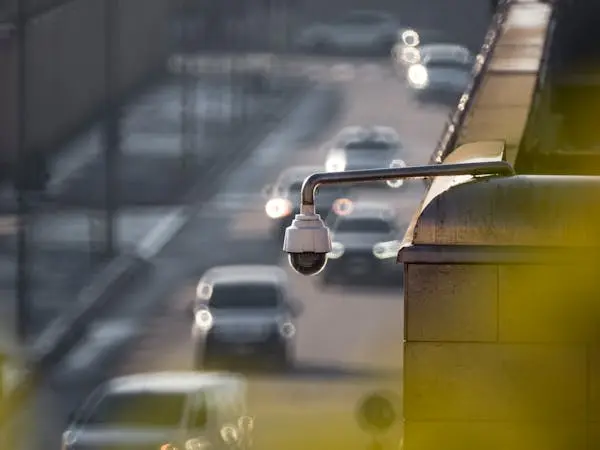
How Long Do Stores Hold Onto Their Surveillance Footage?
Most supermarkets and retail stores install cameras to monitor everyday activity inside the building. Since these systems record continuously, footage builds up and needs proper storage management. Generally, most stores keep their recordings for about 30 to 90 days on average. The exact retention period depends on the storage system each store uses and its total capacity. A store security camera is only as useful as the footage it can actually keep on file.
Many retailers store their footage on local devices like SD cards or dedicated hard drives. Some businesses also use cloud storage as an additional backup for added security. Local storage does come with one clear limitation that retailers need to plan around. Once a local device reaches its full capacity, the oldest footage gets automatically overwritten. This means important recordings could be lost if they are not flagged or saved separately in time. Cloud-based options can offer more flexibility, but they often come with ongoing subscription costs. Choosing the right storage solution is a key decision for any business relying on surveillance.
How Frequently Does Walmart Monitor Its Surveillance System?
Walmart operates one of the most advanced surveillance networks in all of retail. With over 5,000 stores worldwide, their camera system is massive in scale and reach. Every store security camera in their locations streams footage to a central monitoring station. Trained surveillance staff actively watch those video feeds around the clock every single day. This level of dedication makes Walmart’s approach stand out from most other retailers.
This constant live monitoring allows Walmart to spot problems almost instantly as they unfold. Loss prevention personnel can detect suspicious behavior the moment it starts happening on screen. Theft, safety hazards, and other incidents get flagged and addressed in near real time. This kind of rapid response helps reduce losses and keeps customers safer throughout the store. Running a 24/7 monitoring operation requires significant resources and dedicated staffing at all times. However, Walmart considers it a top priority given the enormous volume of daily shoppers. The sheer number of customers and potential threats makes continuous oversight a necessary investment.
Final Thoughts on Store Security Camera Monitoring
A store security camera plays a vital role in keeping retail spaces safe and secure. How often footage gets reviewed depends on the store’s size, inventory, and unique security needs. Large retailers like Walmart monitor their feeds around the clock with dedicated teams. Smaller shops tend to check recordings only after a specific incident gets reported. Regardless of the schedule, cameras serve as a powerful deterrent against theft and misconduct. Modern systems now offer remote access, cloud storage, and AI-powered analytics for smarter monitoring. Footage retention typically ranges from 30 to 90 days before recordings get overwritten. Whether you are a shopper or a business owner, understanding how these systems work builds awareness. Staying informed helps you appreciate the level of effort retailers put into protecting their stores. Security cameras are not just watching. They are actively working to create a safer environment for everyone.
FAQs
Do all retail stores have security cameras installed?
Most retail stores today have some form of surveillance system in place. Large chains and department stores almost always use store security camera networks. Smaller independent shops may have fewer cameras but still rely on basic setups. Having even one visible camera can help discourage theft and improve overall safety.
Can store employees watch security cameras in real time?
Yes, many stores allow trained staff to monitor live camera feeds during business hours. Larger retailers often have dedicated loss prevention teams watching footage throughout the day. Smaller businesses may not have the staff to watch feeds constantly in real time. In those cases, footage is typically reviewed only after an incident is reported.
How long does it take a store to review camera footage after an incident?
Most stores begin reviewing footage within hours of a reported incident. Theft, break-ins, and safety events usually trigger an immediate review by staff or management. The exact response time depends on the store’s size and available security resources. Larger retailers with dedicated teams tend to respond faster than smaller shops.
Are store security cameras recording at all times?
Yes, most modern store security camera systems record footage continuously around the clock. The recordings are stored on DVR or NVR devices and kept for a set period. Footage is typically retained for 30 to 90 days before it gets automatically overwritten. Some stores also use cloud storage to back up important recordings for longer access.
Can security camera footage be used as legal evidence?
Absolutely. Recorded footage from a store security camera is commonly used in legal proceedings. It can support theft charges, resolve customer disputes, and verify insurance claims. Clear, timestamped video often serves as one of the strongest forms of evidence available.


