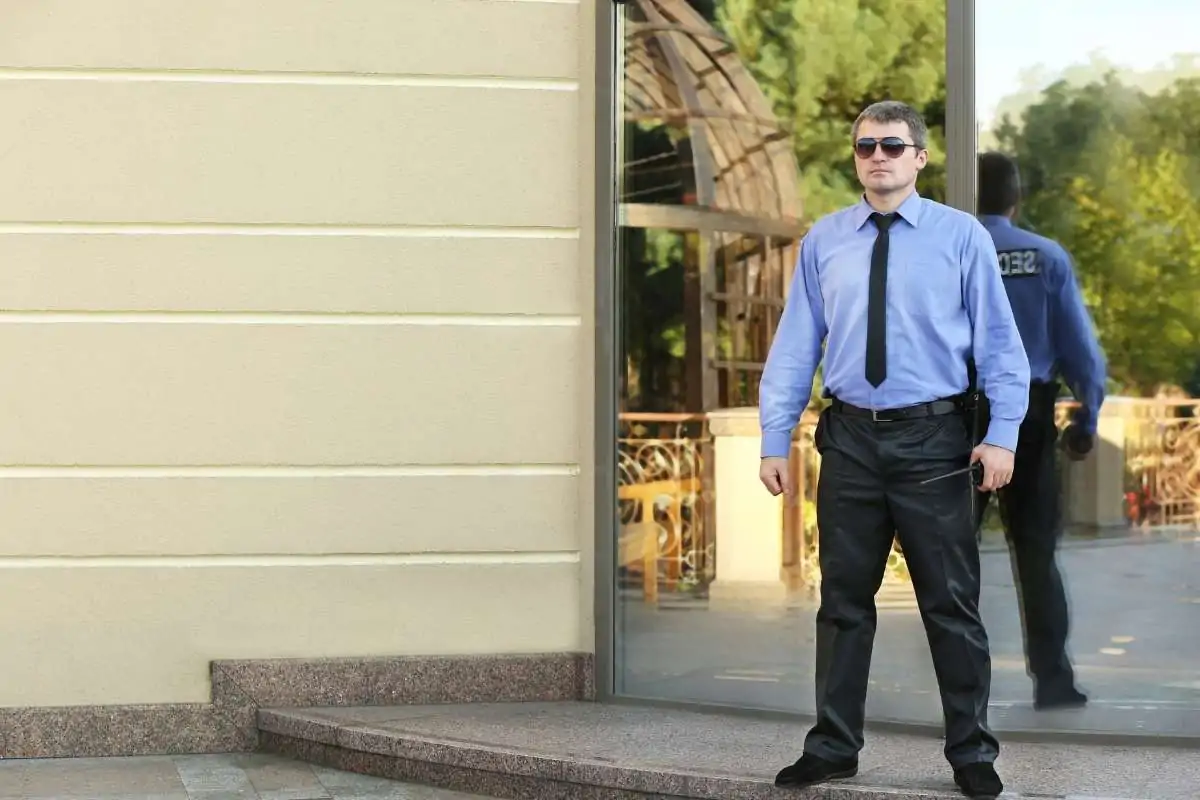
Security guards require seven critical categories of equipment to perform their duties effectively: communication devices (two-way radios, smartphones, earpieces), medical supplies (first aid kits, CPR equipment), protective weapons (pepper spray, batons, tasers, firearms for high-risk situations), restraint tools (handcuffs), documentation supplies (pen and paper), access control tools (keys), and tactical flashlights. Professional security services understand that proper equipment is fundamental to operational success and officer safety.
Key Takeaways
- Communication is critical: Two-way radios and smartphones enable instant team coordination and work independently of cellular networks
- Medical preparedness saves lives: First aid kits and CPR training allow guards to provide emergency assistance before professionals arrive
- Protection varies by risk level: Non-lethal weapons (pepper spray, batons, tasers) handle most situations, while firearms are reserved for high-risk environments
- Documentation ensures accountability: Pen and paper provide reliable incident records for investigations and legal proceedings
- Restraint tools bridge response gaps: Handcuffs allow safe suspect detention until law enforcement arrives
- Access control enables thorough coverage: Keys and security credentials ensure guards can monitor all restricted areas effectively
- Multi-purpose tools maximize efficiency: Tactical flashlights serve dual purposes for illumination and defensive capabilities when needed
This comprehensive guide breaks down the must-have protective equipment pieces that form a complete safety system for security officers, explaining why each tool matters and how proper gear reduces liability risks while improving operational effectiveness across all security environments.
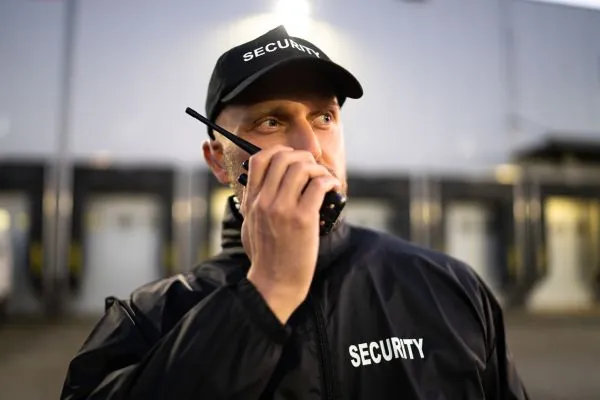
Essential Equipment Used by Security Guards
Security guards need reliable tools to stay alert and handle threats professionally. The right equipment ensures they can respond quickly and maintain safety throughout their shifts. These seven items are fundamental for any security patrol, from event monitoring to building protection. Proper gear enables security guards to perform their duties with confidence and efficiency.
Communication Devices
- Two-Way Radios: Enable instant contact between team members during patrols and emergencies
- Smartphones: Provide access to surveillance feeds, emergency contacts, and security applications
- Radio Earpieces: Allow hands-free communication while maintaining situational awareness
Medical Supplies
- First Aid Kits: Contain bandages, gauze, antiseptic wipes, and CPR masks for emergency response
- Basic Medical Training: Enables quick response to injuries before professional medical help arrives
- Emergency Contact Information: Stored digitally for immediate access during critical situations
Protection and Restraint Tools
- Non-Lethal Weapons: Include pepper spray, batons, and tasers for controlled threat response
- Firearms: Reserved for high-risk situations where enhanced security measures are necessary
- Handcuffs: Used to safely restrain suspects until law enforcement personnel arrive
Documentation and Access Tools
- Pen and Paper: Essential for recording incidents, patrol notes, and suspicious activities
- Access Keys: Provide entry to restricted areas requiring security oversight
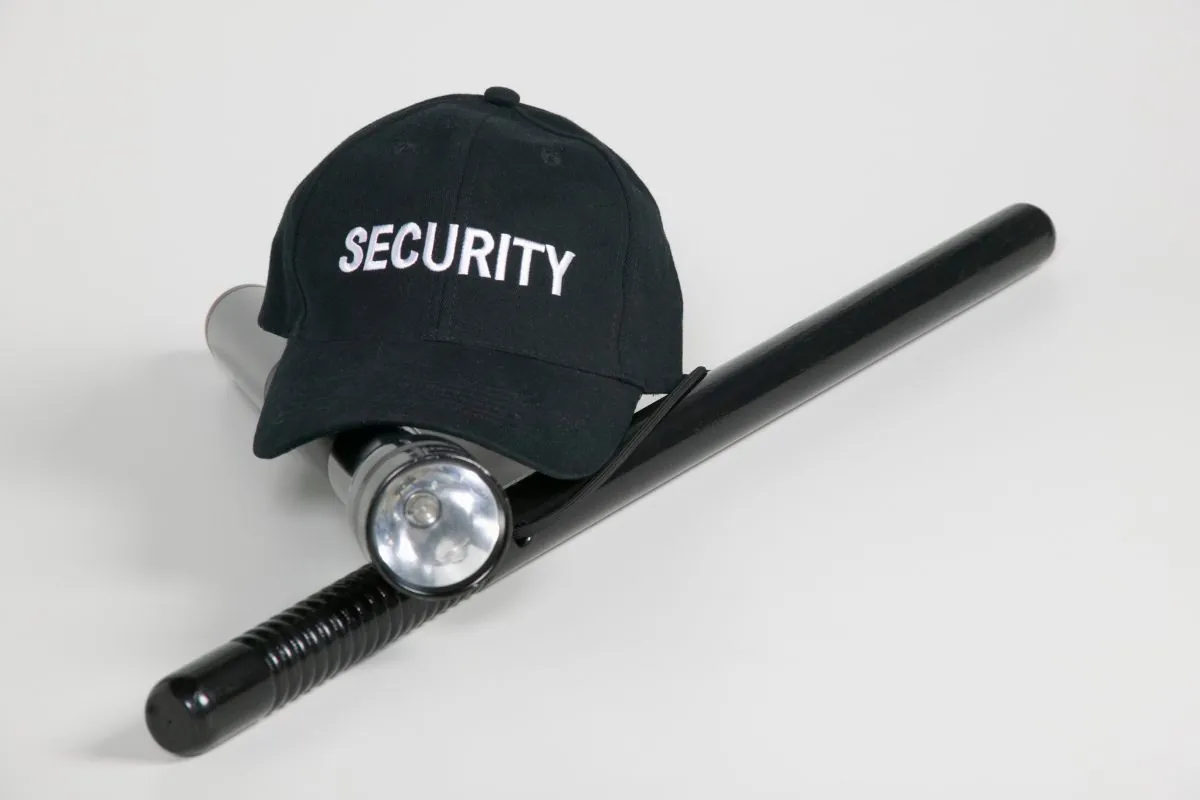
- Tactical Flashlights: Illuminate dark areas and can serve defensive purposes when needed
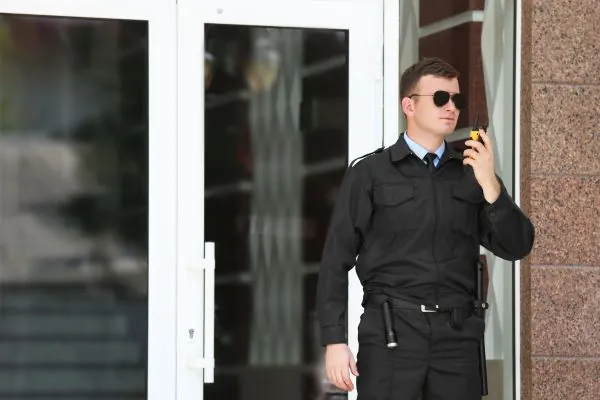
The Seven Must-Have Protective Equipment Pieces for Security Guards
Security patrol officers operate in unpredictable environments where they face potential physical threats, adverse weather conditions, and various occupational hazards on every shift. The right protective equipment is essential not only for officer safety but also for maintaining operational effectiveness and reducing liability risks. According to the U.S. Department of Labor, proper safety equipment significantly reduces workplace injuries. From head protection to communication devices, these seven must-have equipment pieces form a comprehensive safety system that enables security professionals to perform their duties confidently while minimizing injury risks and ensuring they’re prepared for any situation they encounter during patrol operations.
Two-Way Radios for Team Communication
Effective communication ranks among the most important aspects of security work. Two-way radios remain essential in the security industry for immediate team contact. These devices provide reliable backup communication options during duty hours. Security guard services depend on them when other communication methods fail or become unavailable. Radio systems work independently of cellular networks, ensuring consistent connectivity throughout shifts.
Smartphones as Modern Security Tools
Smartphones have transformed how security personnel operate in today’s digital environment. These devices replace many traditional communication methods while adding new capabilities. Unarmed security guards use smartphones to communicate, monitor live camera feeds, and access security applications. Modern phones store critical data like emergency contacts and detailed property maps effectively. Quick communication with authorities becomes possible through smartphone speed and reliability. Many security operations integrate surveillance systems with mobile applications for real-time monitoring. Officers stay informed about potential breaches even when away from control stations. The Security Industry Association provides guidance on integrating modern technology into security operations. This technology enhances response times and improves overall security effectiveness significantly.
First Aid Kits for Emergency Response
Security work extends beyond crime prevention and threat management duties. Guards often need to provide first aid assistance during their patrols. Having proper medical supplies allows officers to help others before professionals arrive. First aid kits typically include bandages, gauze, antiseptic wipes, and advanced tools. Many security officers in Pearland, TX, receive training in basic first aid and CPR techniques. This preparation enables them to act decisively during medical emergencies. The National Association of Security Companies emphasizes the importance of medical training for security personnel. Quick response can make a significant difference in injury outcomes and safety.
Protective Weapons for Security Situations
Security guards may carry weapons depending on the specific situation and requirements. Companies offer both armed and unarmed options based on client needs. Unarmed guards often carry non-lethal options like pepper spray or batons. Tactical flashlights serve dual purposes for illumination and defense when necessary. All officers receive proper training and certification for weapon use and handling. The Texas Department of Public Safety Private Security Program regulates licensing requirements for armed security personnel. Armed guards carry firearms only in situations requiring heightened security measures. This option typically applies to high-risk environments like construction sites or valuable asset protection. Proper training ensures weapons are used responsibly and within legal boundaries.
Handcuffs for Safe Suspect Restraint
Handcuffs provide the safest method for detaining individuals until police arrive. Security officers in Sugar Land, TX, receive training and certification in proper handcuff application and use. They can legally and safely restrain suspects when situations require immediate action. This becomes especially important when someone threatens client or property security directly. The Professional Security Protective Alliance offers training resources for restraint techniques. The ability to restrain suspects minimizes risk to others during tense situations. Proper restraint techniques protect both the guard and the detained individual effectively. This equipment bridges the gap between incident occurrence and law enforcement arrival.
Pen and Paper for Incident Documentation
Traditional pen and paper remain valuable tools despite modern digital advances. These simple items allow guards to document incidents and take detailed notes. Maintaining accurate records of patrol activities ensures proper incident tracking over time. Documentation proves essential when logging security breaches, accidents, or suspicious behavior patterns at shopping centers or warehouses. Written records provide concrete evidence for investigations and legal proceedings when needed. According to Professional Security Magazine, thorough documentation is critical for liability protection. Security guards rely on thorough documentation to maintain accountability and professional standards. Paper records offer reliable backup when digital systems fail or become inaccessible.
Keys, Radios, and Earpieces for Access Control
A complete key set ensures security guards can access all necessary areas. Radio systems with earpieces maintain constant team communication throughout patrol duties. These tools keep hands free while officers perform their protective responsibilities effectively at hotels and other facilities. Access to restricted zones allows guards to secure every property section thoroughly. The radio and earpiece combination keeps team members connected without interrupting patrols. Industry standards from ASIS International emphasize the importance of comprehensive access control. This equipment enables seamless coordination during routine checks and emergency response situations. Proper access control tools are fundamental to comprehensive security coverage and effectiveness.
Conclusion
Equipping security guards with the right tools directly impacts their ability to protect people and property effectively. The seven essential equipment categories, communication devices, medical supplies, protective weapons, restraint tools, documentation materials, access control systems, and tactical flashlights, create a comprehensive safety framework that addresses the multifaceted challenges security professionals face daily. Resources from Infosecurity Magazine and the Texas Workforce Commission provide valuable guidance on industry best practices. Proper equipment not only enhances officer confidence and response capabilities but also reduces liability risks for security companies and their clients. As threats evolve and technology advances, maintaining updated gear remains crucial for operational success. Organizations that prioritize quality equipment investments, verified through trusted sources like the Better Business Bureau of Houston, demonstrate their commitment to both security personnel safety and the protection of those they serve. For more information about comprehensive security solutions or to discuss your specific needs, feel free to contact us. Ultimately, well-equipped security guards are better prepared to prevent incidents, respond to emergencies, and maintain the secure environments their clients depend on.
FAQs
What is the most important piece of equipment for security guards?
Communication devices, particularly two-way radios, are considered the most critical equipment because they enable instant coordination between team members during emergencies and routine patrols. Unlike smartphones that depend on cellular networks, two-way radios provide reliable connectivity regardless of network availability, ensuring guards can always request backup or report incidents immediately.
Do all security guards carry weapons?
No, not all security guards carry weapons. Security companies offer both armed and unarmed positions based on client needs and risk assessment. Unarmed guards typically carry non-lethal protection options like pepper spray or batons, while armed guards carry firearms only in high-risk environments requiring enhanced security measures. All guards receive proper training and certification for any weapons they carry.
Why do security guards still use pen and paper when digital devices are available?
Pen and paper provide reliable backup documentation methods that work independently of technology failures, battery life, or system crashes. They offer immediate accessibility without login requirements and create permanent records for investigations and legal proceedings. Written documentation ensures accountability and maintains professional standards even when
Are security guards trained to provide medical assistance?
Yes, many security guards receive training in basic first aid and CPR techniques. They carry first aid kits containing bandages, gauze, antiseptic wipes, and CPR masks to provide emergency assistance before professional medical help arrives. This medical preparedness allows guards to respond quickly to injuries or health emergencies, potentially making a significant difference in outcomes.
Can security guards legally use handcuffs to detain suspects?
Yes, security guards can legally restrain suspects using handcuffs when situations require immediate action, particularly when someone threatens client or property security. However, guards must receive proper training and certification in handcuff application and restraint techniques. Handcuffs allow safe detention of individuals until law enforcement arrives, minimizing risk to everyone involved while maintaining security.