The four primary goals of physical security design are deterrence, detection, delay, and response. Security pros usually call them the four Ds. Deter the threat, detect it early, delay whoever gets through, and respond before damage is done. Each one covers the gap left by the one before it.
Most articles stop there. The order matters, and the four work as a sequence, not a checklist you pick from. I’ve reviewed security plans for warehouses, retail strips, and office parks across Houston, and the same weakness keeps showing up. Owners spend on the first goal, deterrence, and barely fund the last two. A camera at the door feels like security. On its own, it isn’t.
What Is Physical Security Design?
Physical security design is the planning and layout of measures that protect people, property, and information from physical threats like theft, break-ins, and vandalism. It combines barriers, surveillance, access control, and trained staff into layers, so a single failure never leaves a building open.
Good design starts before any camera goes up. It starts with a walk of the property and an honest list of what you’re protecting and from whom. A jewelry counter and a parking garage face different risks, so they get different plans. Skip that step and you buy equipment that guards the wrong things.
What Are the Four Primary Goals of Physical Security Design?
The four goals are deterrence, detection, delay, and response, applied in that order. They give you four chances to stop the same incident, each one a backup for the last.
Deterrence Comes First
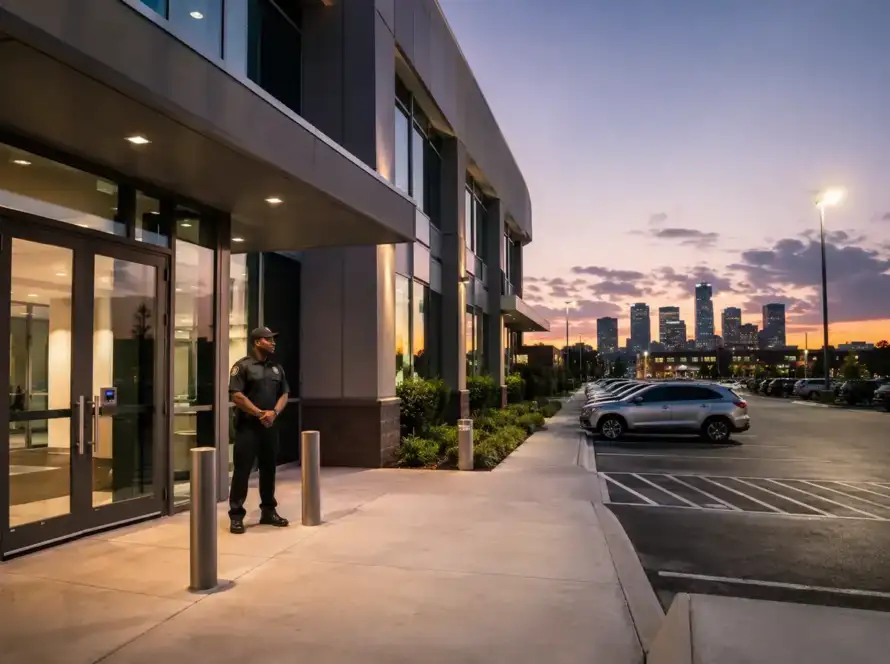
Deterrence means making your property look like more trouble than it’s worth, so most people never try. This is the cheapest layer and the one owner over-trust. Visible cameras, good lighting, signage, fencing, and a guard at the entrance all tell an opportunist to find an easier target.
The catch is that deterrence only works on people who can be deterred. A teenager testing a door handle, sure. Someone who already picked you, or an employee with a key, no. Deterrence lowers the number of attempts. It never gets you to zero.
Detection Closes the Gap
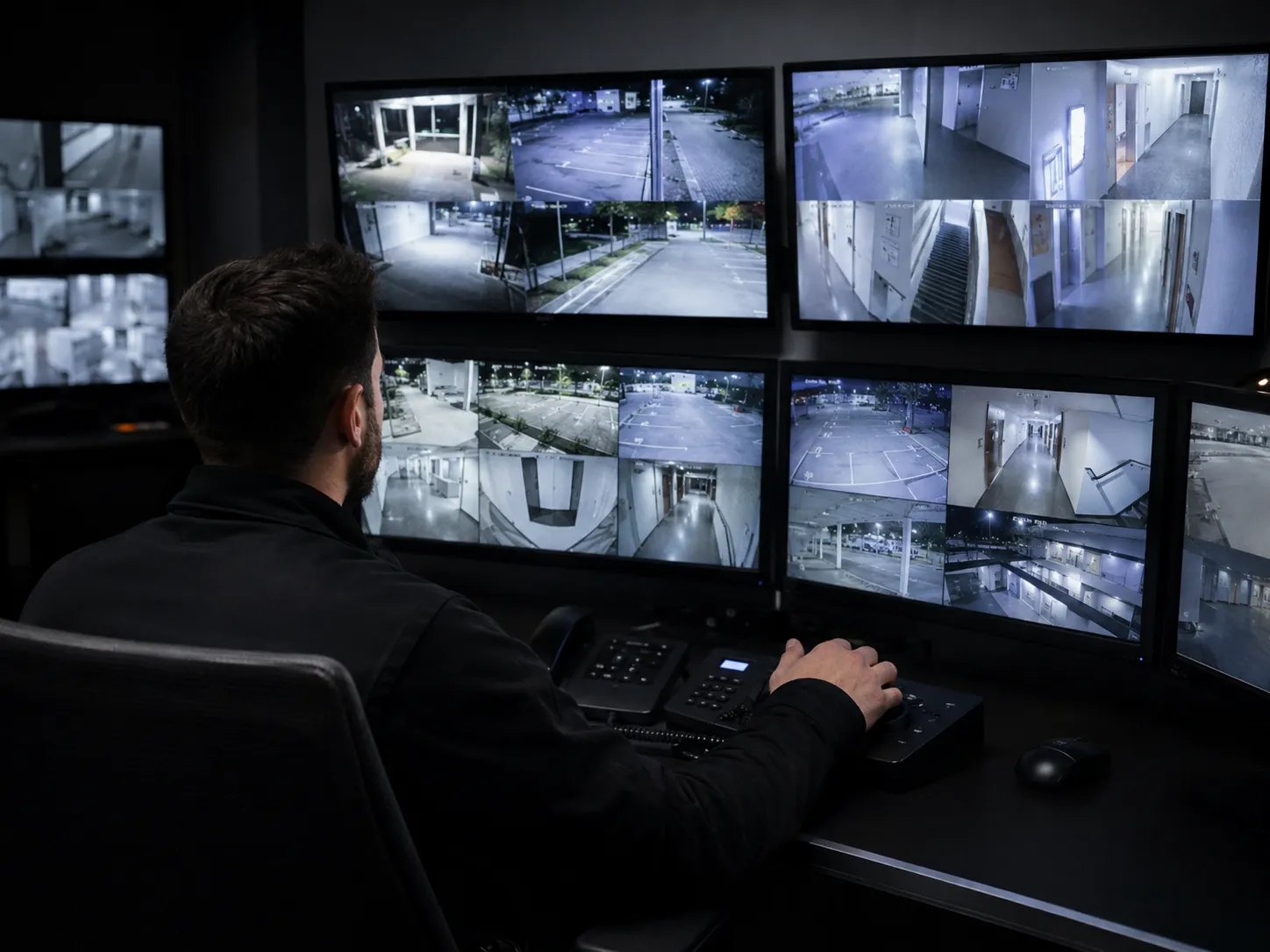
Detection is how you learn an attempt is happening while there’s still time to act. Surveillance cameras only detect if someone is watching them or if software flags the feed. That distinction is where a lot of money gets wasted.
The 2025 Security Megatrends report from the Security Industry Association and ASIS International puts roughly 80% of security spending on manual labor, much of it people watching monitors that rarely show anything. The same report counts around 90 million cameras in use and says about 91% of developers are aiming their research at AI, partly to cut the false alarms that wear monitoring teams down. A motion sensor that cries wolf forty times a night gets ignored by night forty-one. Tuning beats camera count.
Delay Buys Minutes
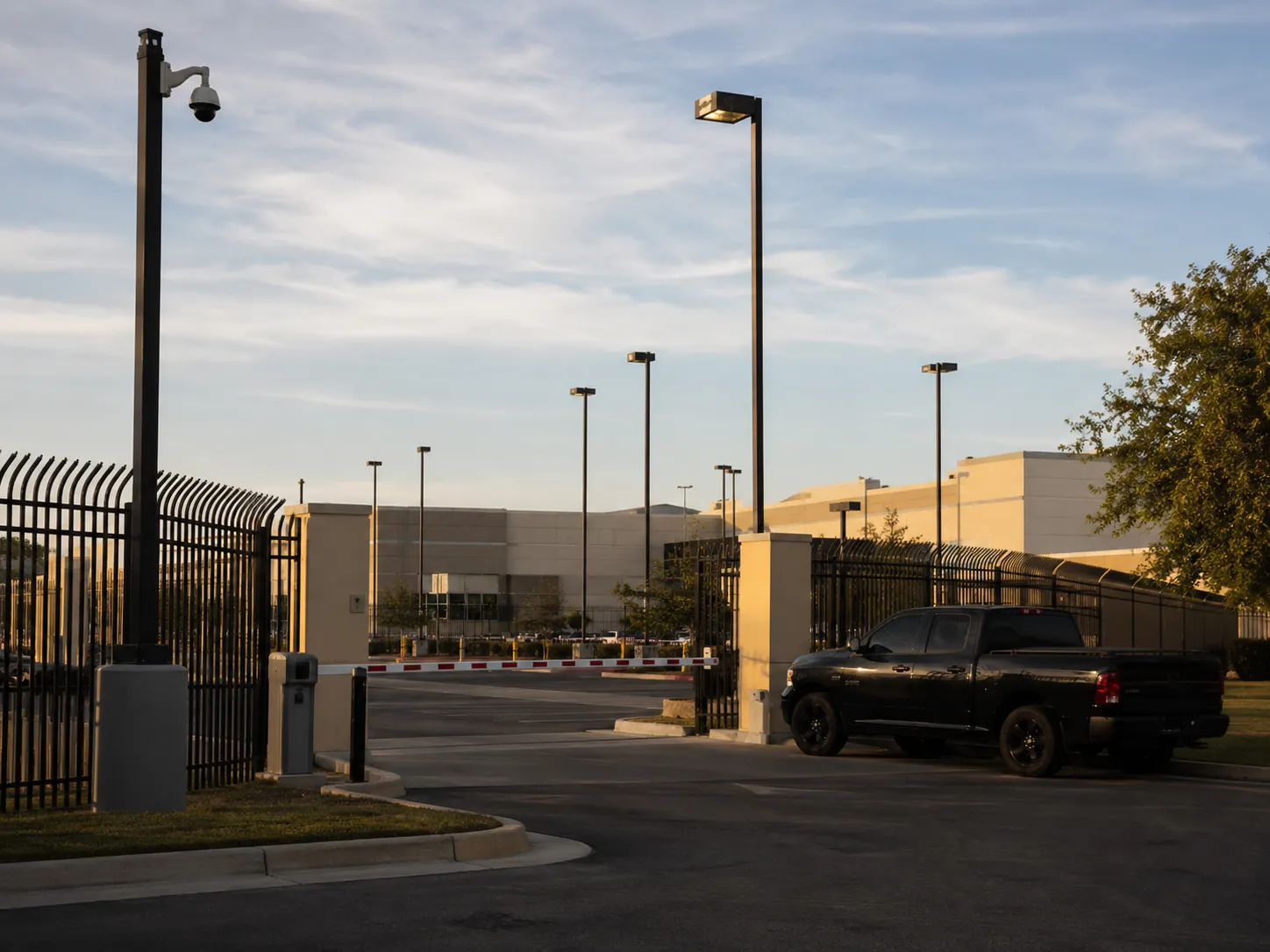
Delay slows an intruder down long enough for detection and response to catch up. Locks, reinforced doors, turnstiles, bollards, a secured server room: each adds seconds and minutes. Minutes are the whole game.
If your nearest patrol response sits eight minutes away, your delay layer has to hold for eight minutes, or help arrives to clean up instead of step in. This is the layer owners cut first to save money. It’s also the one a serious intruder is counting on you to skip.
Response Decides the Outcome
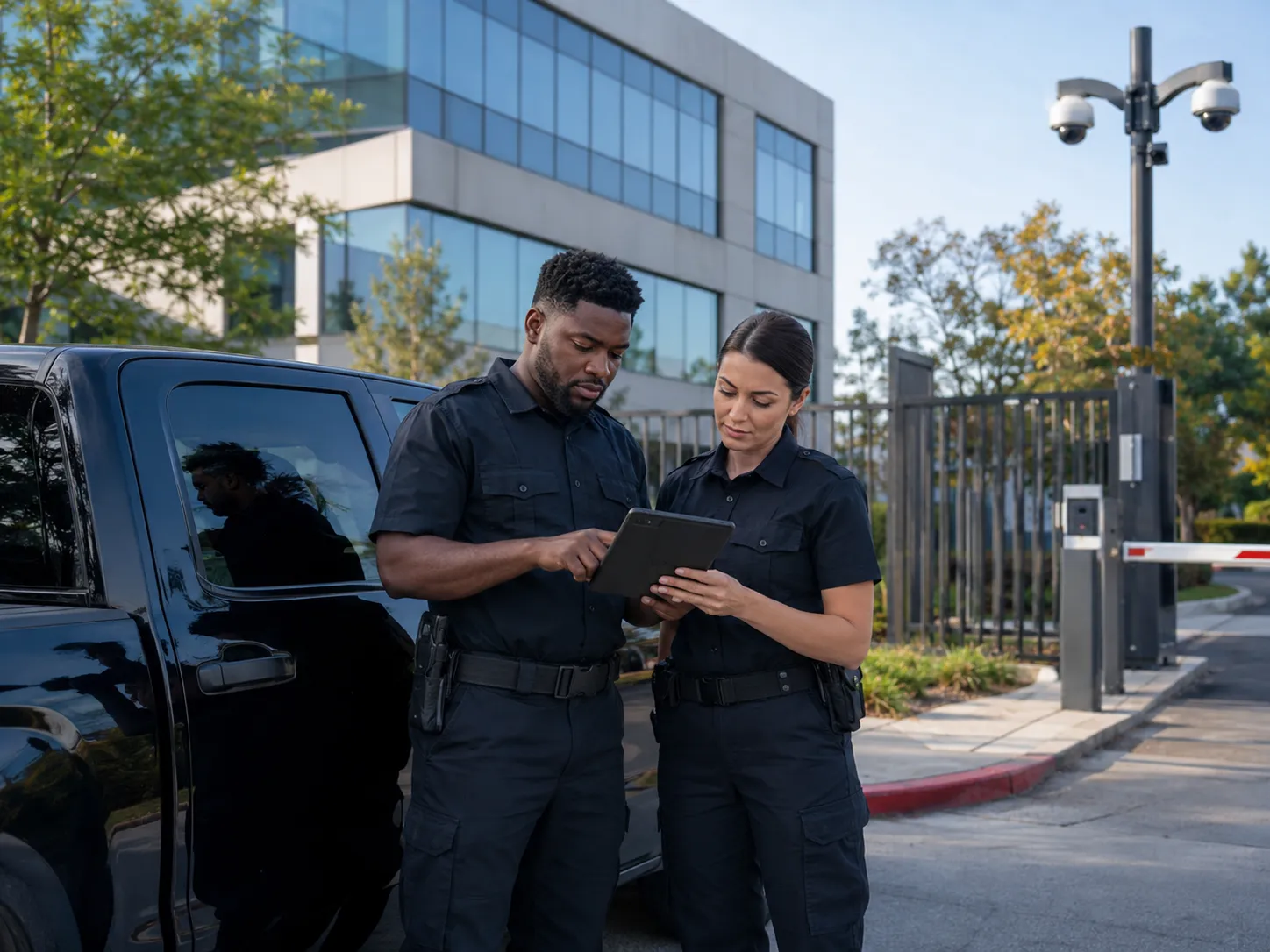
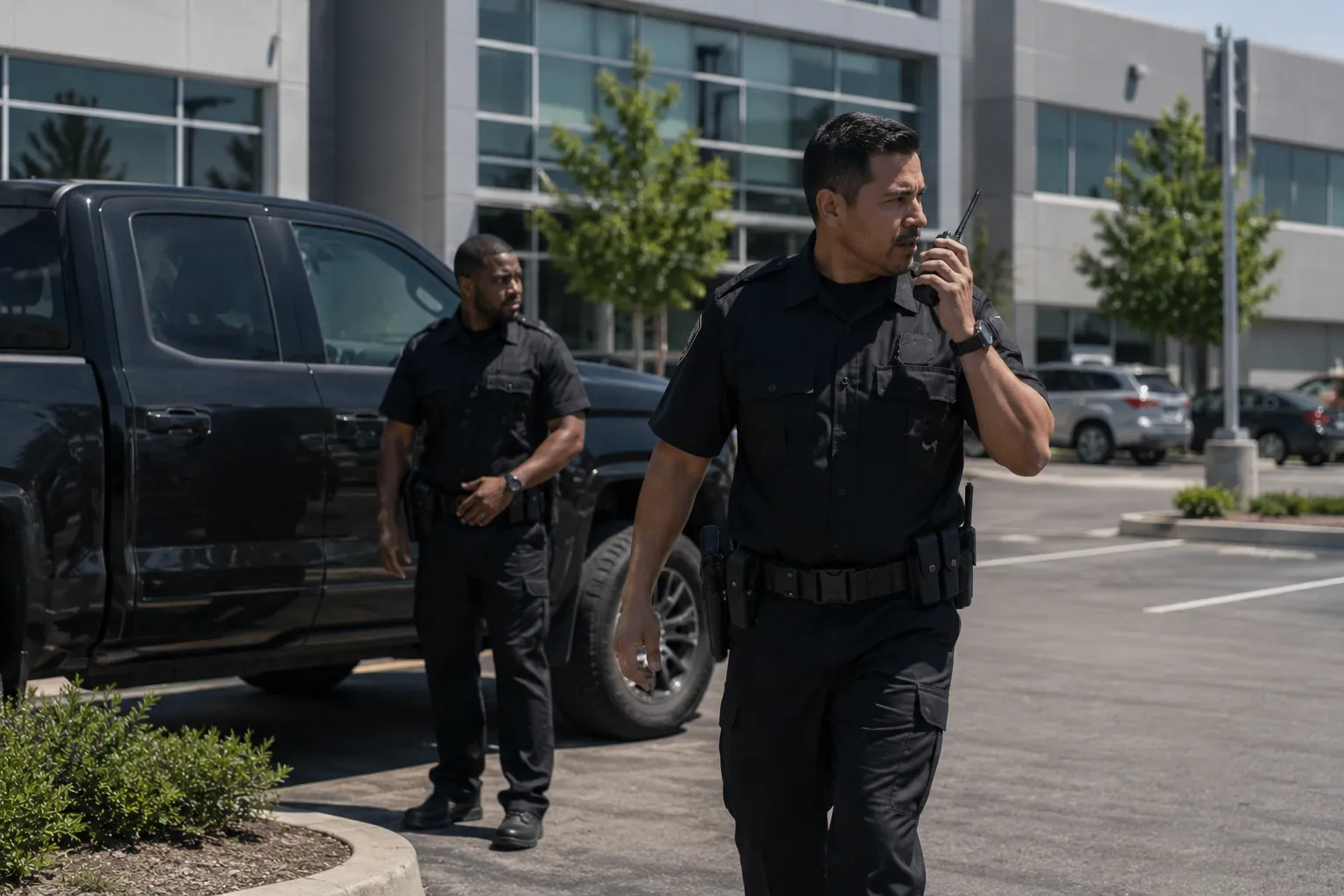
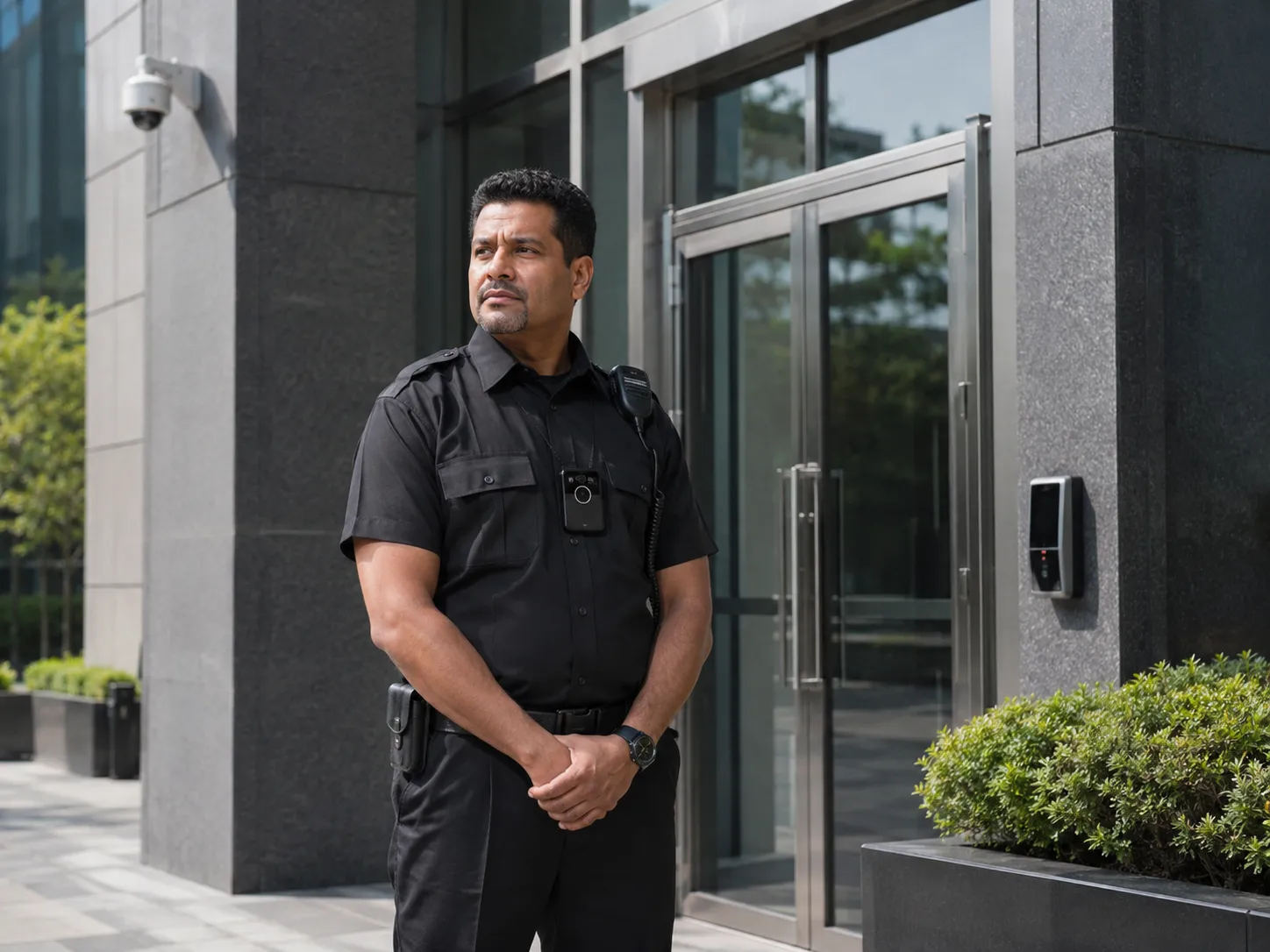
Response is the coordinated action that ends the incident, and it’s the goal the other three exist to serve. A trained guard, a call to police, a lockdown procedure, a clear chain of who does what. This is where professional security guards earn their place.
The labor behind response is real. The Bureau of Labor Statistics counted about 1,272,400 security guards working in 2024, at a median wage near $18.46 an hour, and projects the number barely moving over the next decade. Technology can watch and delay. A person still has to decide and act, and the best camera in Texas can’t tackle anyone.
The Goals Work as a Chain, Not a Menu
Pick one goal, fund only that, and you’ve built a wall with a door propped open. The four cover for each other. Deterrence thins the crowd. Detection catches what deterrence missed. Delay holds the line for response. Response ends it. Break one link and the chain fails.
The most expensive mistake I see isn’t the wrong camera. It’s heavy spending on visible deterrence while delay and response go thin. A breach that gets through can cost many times what the skipped hardening would have, once you add theft, downtime, liability, and higher insurance premiums. “Just add more cameras” sounds responsible and quietly fails, because an unwatched camera deters almost nobody and records a crime you review after it’s over.
The four goals at a glance:
| Goal | What it does | Example measures | What it buys you |
|---|---|---|---|
| Deterrence | Discourages the attempt before it starts | Lighting, signage, visible cameras, uniformed guards | Fewer attempts |
| Detection | Flags an attempt while it’s happening | Monitored cameras, alarms, motion and intrusion sensors | Early warning |
| Delay | Slows the intruder down | Locks, reinforced doors, turnstiles, bollards | Time to respond |
| Response | Ends the incident | Trained guards, police calls, lockdown plans | Limited damage |
Is It Really Four Goals, or Five?
Most sources list four goals, but the industry doesn’t agree on which four, and some teach five. That disagreement is worth understanding. One uses deter, deny, detect, and identify. Another uses deter, detect, delay, and defend. The version that matches most exam questions and security coursework, and the one used here, is deter, detect, delay, and respond.
A growing group of practitioners adds a fifth D, deny, to treat access control as its own goal instead of folding it into delay. Here’s a framing I’ll correct, since I used to repeat it: arguing four versus five misses the point. The labels are a memory aid, not a law. Every plan has to cover the full run from ‘don’t try’ to ‘we stopped it.’ Crime Prevention Through Environmental Design, the CPTED model cited in a lot of city planning, makes the same case from the building-design side.

What Does Physical Security Design Cost in 2026?
There’s no flat price, because cost tracks what you’re protecting and how many of the four goals you fund properly. For scale, Grand View Research valued the global physical security market near $158.1 billion in 2025, with growth past $169 billion projected for 2026 and North America holding the largest regional share.
For a single property, spend clusters in three places: hardware, monitoring, and people. Owners fixate on hardware, but it’s often the smallest line over a system’s life. The recurring costs, monitoring and staffing, run longer and matter more. With guard wages near $18.46 an hour, one round-the-clock manned post is a five-figure yearly commitment by itself. That’s exactly why cutting the cheaper delay layer to save money backfires. You lean harder on the priciest layer you’ve got. The same math applies whether you’re securing a smaller property or a full campus.
The questions worth asking a designer aren’t about camera resolution. Ask what the false-alarm rate will be, who actually watches the feed, how long the delay layer holds against a forced entry, and what five years cost with upgrades and training. If you want to measure the return on the spend, the security-management field has real frameworks for it. Most quotes won’t volunteer those numbers. The good ones will.
Making the Four Goals Work for a Houston Property
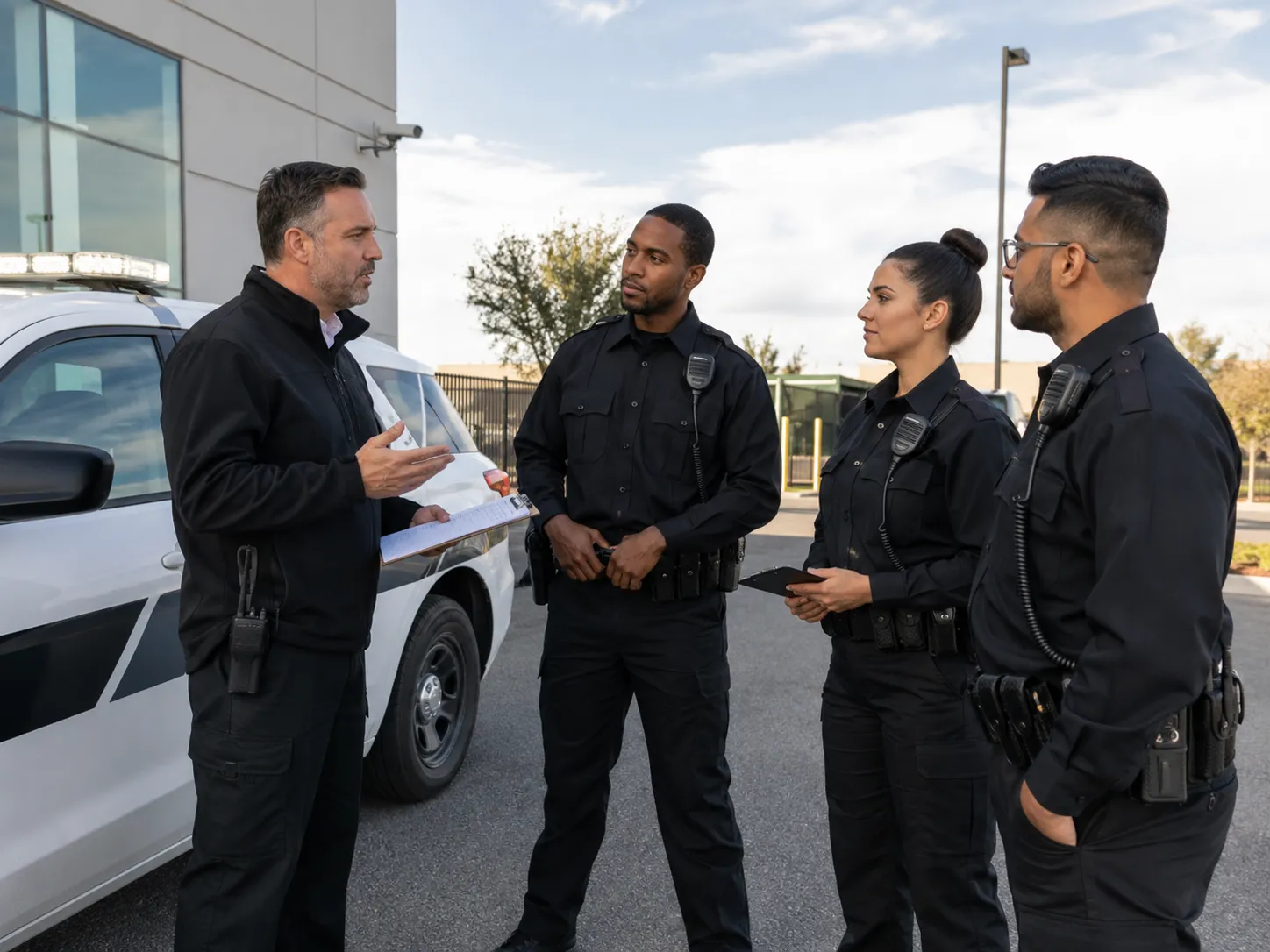
Start with the layer you’ve probably underfunded. Most properties I assess lean heavy on deterrence and thin on delay and response, which is the backward order for stopping a real incident. Walk your site, name what you’re protecting, and check that each goal holds on its own.
A camera is not a plan.
The four primary goals of physical security design only protect a Houston business when deterrence, detection, delay, and response work as one connected system, with trained people at the end of it. Build the chain, find the weakest link, and fix that one first.
FAQ
What are the four primary goals of physical security design?
The four primary goals of physical security design are deterrence, detection, delay, and response. They form a sequence: deter most threats, detect the ones that try, delay anyone who breaks through, and respond to end the incident. Security professionals often shorten them to the four Ds. A plan that funds only one or two of the four leaves predictable gaps.
What is the difference between the four Ds and the five Ds of security?
The four Ds are deter, detect, delay, and respond. The five-D version adds deny, which treats access control as its own goal instead of part of delay. Some security companies list the four differently, using deter, deny, detect, and identify. The labels are a memory aid, so what counts is covering every stage from prevention to response.
Which goal of physical security design do businesses underfund most?
Delay and response, in my experience. Owners spend on visible deterrence like cameras and signage because it is cheap and feels protective, then skip the reinforced doors and trained staff that actually stop a determined intruder. That order is backward. A breach that gets through can cost many times the price of the hardening that was skipped.
Do security cameras count as deterrence or detection?
Both, but only under conditions people forget. A visible camera deters opportunists who do not want to be recorded. It only detects in real time if someone is watching the feed or if analytics flag it. The Security Industry Association reports roughly 80% of security spending goes to manual labor, much of it monitoring, which is why an unwatched camera is closer to evidence collection than detection.
How much does physical security design cost for a business in 2026?
There is no single price, since cost depends on what you protect and how many of the four goals you fund. Grand View Research valued the global physical security market near $158.1 billion in 2025, with growth past $169 billion projected for 2026. For one property, recurring costs like monitoring and staffing usually outweigh hardware over time, with guard wages alone sitting near $18.46 an hour per federal data.
Are the four primary goals of physical security design the same for every property?
The goals stay the same, but the mix changes. A parking garage leans on lighting and patrols, a data room leans on access control and delay, and a retail floor leans on detection and visible deterrence. Good design starts by naming what you are protecting and from whom, then weights the four goals to match.
What questions should I ask a security designer before signing a contract?
Ask for the projected false-alarm rate, who monitors the feed, how long the delay layer holds against forced entry, and the five-year total cost including training and upgrades. Most quotes skip these numbers. The answers separate a real plan from a pile of equipment.