Between 94 and 99 percent of burglar-alarm activations that police respond to turn out to be false, according to research compiled by the Center for Problem-Oriented Policing. That one number explains why an integrated security system matters more than any single camera or sensor. Integration isn’t about collecting more alerts. The point is to connect detection, verification, and response so a real threat gets stopped and a false one never pulls an officer off post.
For a Houston commercial property, that means pairing technology (cameras, access control, alarms) with trained officers who confirm what’s happening and act on it. This guide covers what integrated security is, how the pieces fit, what drives the cost, and where on-site security officers fit in 2026.
An integrated security system connects video surveillance, access control, intrusion alarms, and monitoring so they share data and work as one setup instead of separate tools. In commercial settings it also includes the officers who verify alerts and respond on site, turning raw detection into action rather than a recording someone reviews the next morning.
What is an integrated security system?
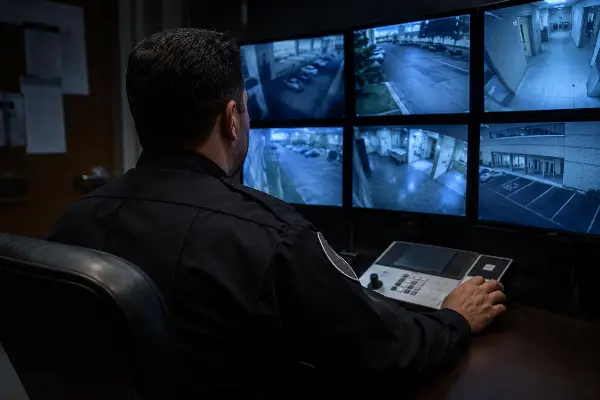
An integrated security system is several security tools wired to talk to each other. Cameras, card readers, motion sensors, and alarms feed one platform, so an event in one place can trigger a response in another. A door forced at a loading dock can pull up the nearest camera, flag the guard on duty, and log the time, all at once.
The parts split into two groups. The technology layer sees and records. The human layer decides and responds. Most of the guides ranking for this topic describe only the first group, because hardware companies wrote them. The second group is what turns a system into security.
How does an integrated security system work?
It works in five steps, and the order matters. Detection, verification, alerting, response, documentation.
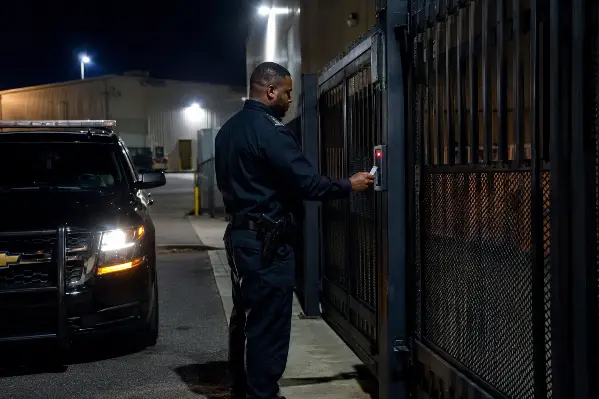
Detection is any trigger: a camera flags motion, a reader logs an after-hours entry, a sensor catches a breach. Verification is a person or analytic confirming whether the trigger is real, and this is the step standalone alarms skip. Alerting sends the confirmed event to whoever can act, with context attached (clip, time, location). Response is the part hardware can’t do alone: someone goes to the scene. Documentation records what happened for the incident file, insurance, and the next review.
At Reliable Guard & Patrol Service, steps four and five run through officers whose patrols are GPS-tracked and logged, with a written incident report filed for every event. That paper trail is what a property manager or insurer asks for after something goes wrong.
The technology layer: cameras, access control, and alarms
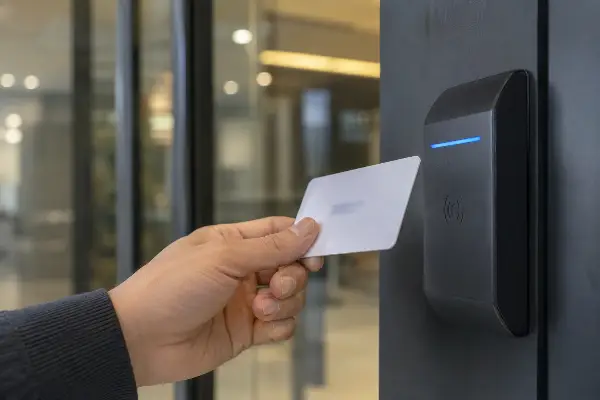
Video surveillance is the backbone of most systems. Cameras cover entrances, docks, yards, and blind corners, and modern analytics can flag movement in a restricted zone after hours. Access control decides who opens which door and when, using key cards, codes, or mobile credentials, and it logs every entry so you can match a name to a time. Intrusion detection and alarms catch forced doors, broken glass, and motion where there shouldn’t be any.
Each of these is useful. None of them stops anything on its own. A camera records a copper-wire theft in progress; it does not walk out to the storage container and interrupt it. That distinction sits at the center of every real security decision.
The human layer: why the system still needs officers
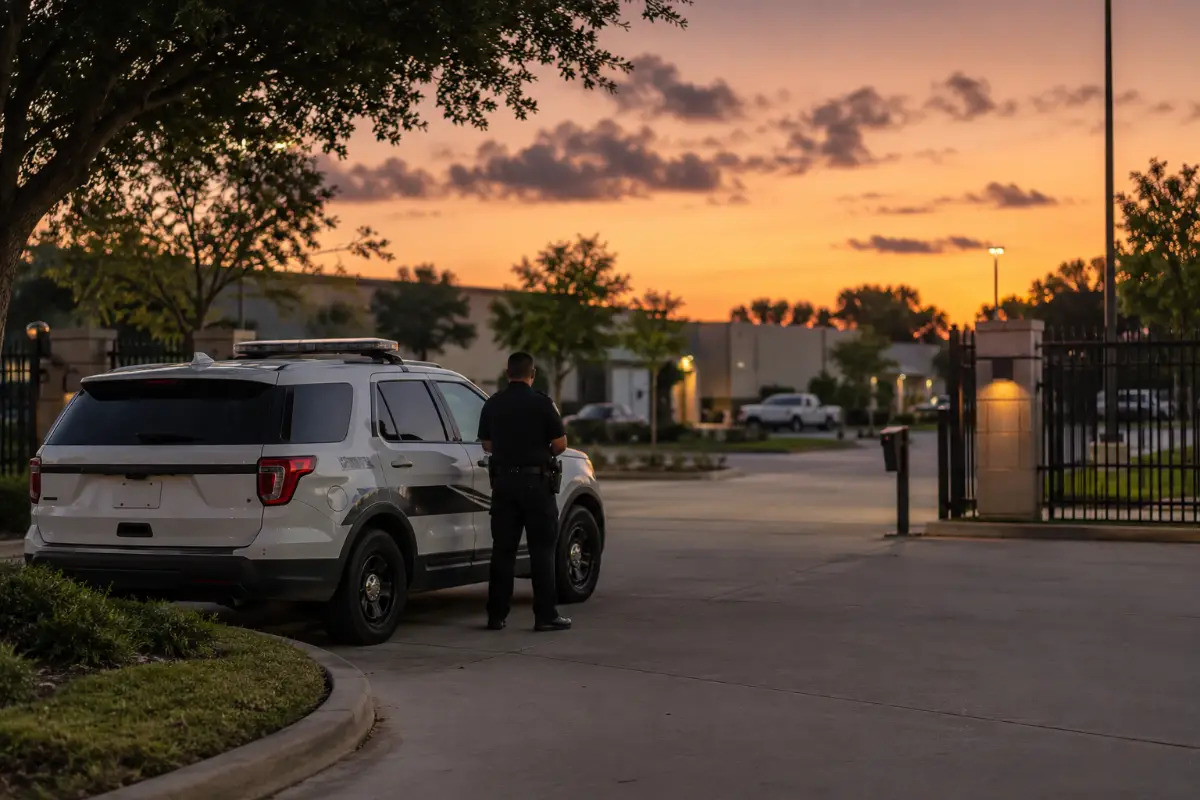
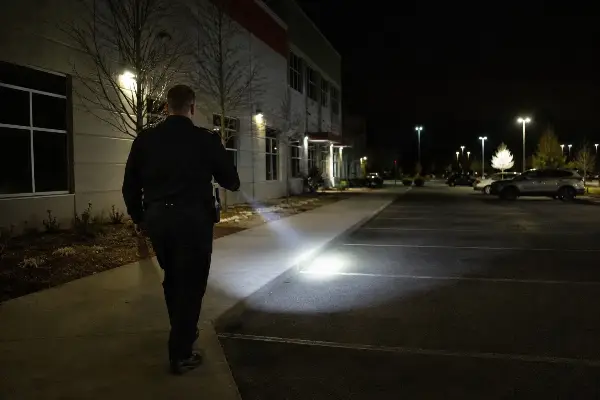
Cameras and alarms detect. Officers verify and respond. That is the whole argument for keeping people in an integrated system, and Reliable Guard’s own overnight logs make the case better than any spec sheet.
On one construction site, an officer on routine patrol at 2:15 a.m. spotted a pickup circling the perimeter and stopping near a gated entrance. He turned on the patrol vehicle’s emergency lights and moved toward the area, and the truck left before anyone got in. A camera would have captured the plate for a report the next day. The officer prevented the entry that night.
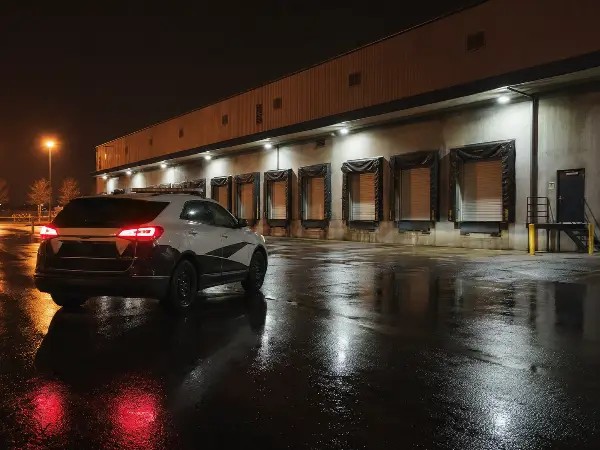
Three more from the same client’s files: two people carrying materials toward a perimeter fence at 11:40 p.m., stopped with a spotlight and a verbal challenge; an individual pulling rolls of copper wire from a storage container at 3:30 a.m., held under observation until responding officers made an arrest; and two people prying at a boarded window of a vacant building at 1:45 a.m., gone before entry once the patrol lights came on. At a distribution warehouse, an officer found an unauthorized vehicle near the loading docks at 11:20 p.m. and a person trying a secured storage area, and moved him off the property before anything was taken.
Every one of those is a loss a recording would have documented and an officer prevented. That is the difference between watching a crime and stopping one.
Houston sites choose between two officer types. Unarmed officers handle patrols, access control, visitor verification, and observe-and-report work at standard commercial posts. Commissioned Level III officers are armed, for high-risk sites, cash handling, and sensitive facilities. The armed versus unarmed decision comes down to the site’s risk, not a default.
Integrated system vs standalone tools
Standalone tools still fit small, low-risk sites. The gap shows up the moment something happens after hours.
| Standalone tools | Integrated system with officers |
|---|---|
| Camera records; nobody is watching live | Alert reaches an officer who verifies in real time |
| Alarm fires with no context | Event arrives with clip, time, and location |
| Response depends on a false-alarm-weary police call | An officer already on site responds in minutes |
| Incident review is pieced together later | One written, GPS-timestamped incident report |
| Each tool works in isolation | Detection, verification, and response are connected |
The Center for Problem-Oriented Policing notes that false alarms are among the highest-volume calls many U.S. police agencies handle, which is exactly why an unverified alarm buys a slow response. A verified one, called in by an officer who can see the scene, gets treated differently.
Do integrated security systems reduce false alarms?
Yes, when a human sits in the verification step. The false-alarm problem is enormous: police nationwide respond to millions of activations a year, and the overwhelming majority are nothing. An officer who confirms an event before it escalates keeps your site off that list, avoids municipal false-alarm fines, and makes sure the one real breach gets a fast call.
This is the quiet payoff of integration that hardware-only guides underplay. Fewer false dispatches protect your standing with local police and your budget at the same time.
What drives the cost of integrated security?
Cost depends on four things: how many officers and hours you need, whether they’re armed or unarmed, how many access points and cameras are in play, and the site’s risk level. A single overnight post at a small warehouse costs far less than 24/7 armed coverage across a large construction site.
There’s no honest flat rate for this, and any company quoting one before seeing your property is guessing. Reliable Guard & Patrol Service gives a free proposal after a first call and, for most sites, a walk-through, so the number reflects the actual property. Two facts worth knowing before you compare quotes: the company issues a certificate of insurance the same day, and it doesn’t require a long-term contract, so coverage can run weekly, month-to-month, or ongoing.
Which Houston industries use integrated security?
Reliable Guard focuses on the commercial sites where after-hours theft and access control drive the risk.
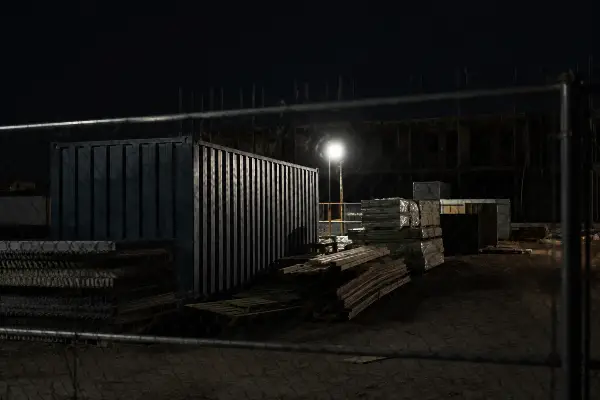
Construction sites lose equipment, materials, and copper to overnight theft, which is why construction site security leans on perimeter patrols and visible presence rather than cameras alone. Warehouses and distribution centers need loading-dock monitoring, delivery verification, and inventory protection after hours. Vacant and commercial buildings face squatters, copper theft, and vandalism, and benefit from documented patrols that catch tampering early. Retail centers deal with shoplifting and organized retail crime during open hours. Office and mixed-use buildings combine access control and reception with patrol coverage.
The company serves Houston and the surrounding metro, including Downtown, the Medical Center, the Energy Corridor, Katy, Sugar Land, Pearland, Conroe, Spring, Humble, and The Woodlands, around the clock.
How to plan an integrated security strategy in 2026
Start with a risk assessment. Walk the property and mark the access points, blind spots, hours of exposure, and what’s actually worth stealing. A construction yard full of copper has a different profile than a daytime retail center.
Then decide the technology-and-people mix. Cameras and access control widen the net; officers verify and respond. Write clear response protocols so everyone knows who gets called and how an incident escalates. Deploy, and here speed matters, because a site sitting unguarded while paperwork clears is a site exposed. Reliable Guard’s same-day insurance and no-contract terms let coverage start fast. Finally, review on a schedule. Threats change, and a plan set once and forgotten drifts out of date.
Before you bring in officers, ask how patrols get tracked, how incidents get documented, and how fast someone can actually reach the site. Those three answers separate a real security program from a warm body at a gate.
The most common integration mistake
Treating technology as the whole answer. Adding cameras and sensors with no one to verify and respond just produces more of the false activations police already ignore, and it lulls owners into thinking a recording is protection. It isn’t. Ask the copper-wire thief who kept working at 3:30 a.m. while a camera watched, right up until an officer arrived.
The strongest setup for a Houston property in 2026 has less to do with how much hardware you install and more to do with whether every alert reaches a person who can tell a real break-in from a stray cat and get to the scene in minutes. Technology widens the net; officers make the catch.
FAQs
What is an integrated security system?
An integrated security system connects video surveillance, access control, intrusion alarms, and monitoring so they share data and work as one platform instead of separate tools. In commercial settings it also includes the security officers who verify alerts and respond on site.
Do integrated security systems replace security guards?
No. Cameras and alarms detect events; they don’t stop them. With 94 to 99 percent of alarm activations turning out to be false, a system needs an officer to verify what’s real and respond in person. Technology and officers cover different jobs.
How do security officers fit into an integrated security system?
Officers own the verification and response steps. They confirm whether an alert is a real threat, go to the scene, and file a written, GPS-timestamped incident report. At Reliable Guard, about 150 officers cover Houston commercial sites this way, armed or unarmed depending on the risk.
Do integrated security systems reduce false alarms?
Yes, when a person handles verification. Because 94 to 99 percent of alarm activations are false, an officer confirming an event before it escalates cuts needless police dispatches, avoids false-alarm fines, and speeds the response to a real breach.
Which Houston industries use integrated security?
Construction sites, warehouses and distribution centers, vacant and commercial buildings, retail centers, and office buildings. Reliable Guard covers these across Houston, Katy, Sugar Land, Spring, The Woodlands, and the surrounding metro.
How fast can security officers start?
Fast. Reliable Guard & Patrol Service issues a certificate of insurance the same day and doesn’t require a long-term contract, so coverage can begin quickly on a weekly, month-to-month, or ongoing basis.