
A Houston construction company lost over $87,000 in stolen copper wiring and power tools during a single weekend in 2024. No security guard was on duty. And the temporary fencing had been left unsecured since Friday afternoon.
That loss was preventable. Not with cameras. Not with better locks. With a trained security guard who follows a specific set of protocols that have been around for decades.
The 11 general orders of a security guard are a standardized set of duties adapted from U.S. military sentry rules. They spell out exactly what a guard does on post, from taking charge of the property to raising the alarm during an emergency. Every security guard service in Houston worth hiring trains their officers on these orders before they ever step on your property.
The U.S. security services industry hit roughly $49.8 billion in 2025, according to IBISWorld estimates. Texas alone employs about 98,660 security guards (Bureau of Labor Statistics, 2024 data). Houston’s metro area accounts for 27,680 of those positions. That’s a lot of guards. But the difference between a guard who protects your assets and one who just fills a uniform comes down to whether they actually follow these 11 orders.
What Are the 11 General Orders of a Security Guard?
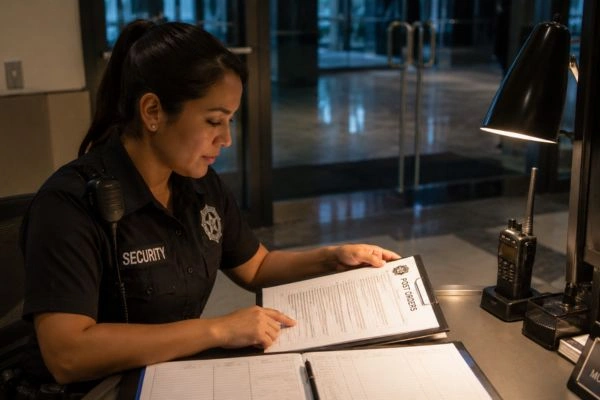
The 11 general orders are the baseline rules every security guard is expected to follow during a shift. They were originally written as “Orders to the Sentry” for U.S. military personnel, then adapted for private security. Most state-approved training programs in Texas, including those governed by the Texas Department of Public Safety’s Private Security Bureau, teach these orders as standard practice.
Here’s what they look like in plain language, and why each one should matter to you as a business owner.
1. Take Charge of the Post and All Company Property in View
Your security guard is personally accountable for everything within their assigned zone. If you’re running a warehouse in Houston, that means the guard owns every square foot they can see. Stolen pallets, cut fencing, open loading docks. All of it falls on that guard’s watch.
2. Walk the Post in an Alert Manner and Observe Everything
This is where most low-budget security falls apart. I’ve seen guards parked in their vehicles scrolling their phones while $40,000 in equipment sat unguarded 200 feet away. A guard who follows this order is on their feet, moving through the property, and actually watching.
BLS data shows the Houston metro area pays security guards a median of about $15.62 to $16.74 per hour. That’s below the national median of $18.46. When you’re paying at that rate, you get what the company trains for, not what you assume.
3. Report All Violations of Orders and Regulations
If somebody breaches a restricted area or ignores a safety rule, the guard doesn’t shrug it off. They document it and report it. For construction site security in Houston, this order is the reason incident logs exist. Without documentation, you’ve got no paper trail for insurance claims or liability protection.
4. Relay All Calls from Posts More Distant from the Guardhouse
Communication between guard posts matters most on large properties. If you’re protecting a multi-building industrial complex along the Ship Channel, a guard at the south gate needs to pass information to the command post without delay. Gaps in relay are how unauthorized vehicles get through.

5. Quit the Post Only When Properly Relieved
This one sounds obvious. It isn’t. Guard turnover in Houston (and nationally) is a persistent problem. BLS projects little to no growth in security guard employment through 2034, partly because retention is poor. A guard who walks off post before the next shift arrives leaves your property exposed. The best security guard companies build relief compliance into their shift management systems.
6. Receive, Obey, and Pass On All Orders from Supervisors
Chain of command exists for a reason. Your guard doesn’t freelance. They receive standing orders from a supervisor, follow them, and brief the next guard when the shift changes. This is how consistency happens across 24/7 coverage.
7. Talk to No One Except in the Line of Duty
This doesn’t mean guards can’t be courteous. It means they don’t get pulled into long personal conversations while on post. For hotel and restaurant security, that balance between approachability and discipline is where training makes the difference.
8. Give the Alarm in Case of Fire or Disorder
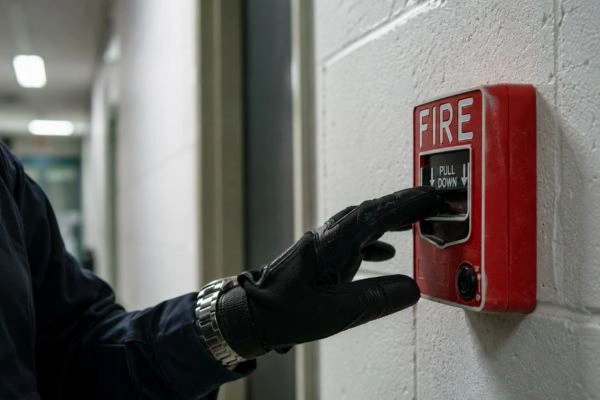
Speed is everything here. A guard trained on this order knows the emergency action plan before their first shift. They know where the pull stations are, who to call, and how to start evacuation procedures. OSHA reports roughly 2.6 million nonfatal workplace injuries annually across all industries. A guard who reacts in seconds instead of minutes can prevent a bad situation from becoming a catastrophe.
9. Call the Supervisor in Any Case Not Covered by Instructions
No set of post orders covers every scenario. A suspicious package. A medical emergency in the parking lot. A contractor who shows up at 2 a.m. with no paperwork. This order tells the guard to escalate instead of guessing. Smart guards ask questions. Reckless ones improvise.
10. Salute All Officers and Follow Protocol
In private security, this translates to professionalism. Greeting visitors, checking credentials, and treating everyone on site with respect. It’s not ceremonial. It sets the tone for how your property is perceived. A guard who looks and acts professional deters problems before they start.
11. Be Especially Watchful at Night and Challenge All Persons on or Near the Post
Most property crimes happen between 10 p.m. and 5 a.m. That’s not an opinion. FBI crime data consistently shows nighttime as the highest-risk window for theft and vandalism. This order is why overnight armed or unarmed security matters more than most business owners realize. A guard following this order doesn’t let anyone pass without verifying who they are and why they’re there.
Why Do the 11 General Orders Matter for Houston Businesses?
Here’s the contrarian take most security articles won’t give you: memorizing these orders doesn’t mean a guard follows them.
I’ve watched companies hand new hires a laminated card with the 11 orders and call it training. That’s not training. That’s a liability shield. Real training means scenario drills. It means a supervisor showing up unannounced at 3 a.m. to see if Order #11 is actually being followed.
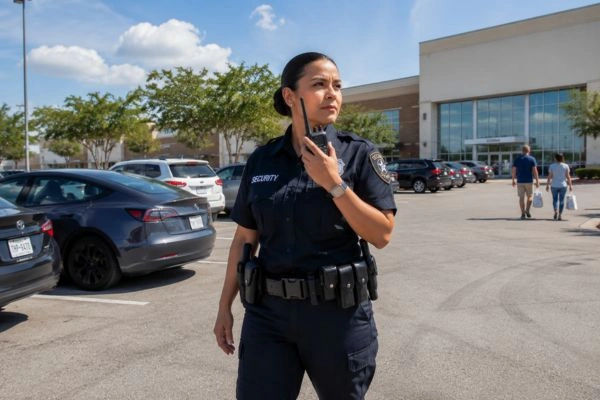
Houston’s mix of energy, logistics, port operations, and fast-growing commercial corridors creates security challenges you won’t find in most U.S. metros. A guard protecting a data center in the Energy Corridor faces different threats than one at a retail center in Katy. But both guards need the same foundation, and that foundation is these 11 orders.
The question you should ask any security provider isn’t “Do your guards know the 11 general orders?” Every company will say yes. The better question: “How do you verify compliance on a Tuesday night at 2 a.m.?”
If a company can’t answer that with specifics, keep shopping. Working with a team that understands accountability is the difference between a security guard who protects your business and one who just occupies space.
Frequently Asked Questions
What are the 11 general orders of a security guard?
The 11 general orders are standardized duty rules adapted from U.S. military sentry protocols. They cover post accountability, observation, violation reporting, communication relay, shift relief, chain of command, duty-focused conduct, emergency alarms, supervisor escalation, professional protocol, and nighttime vigilance. Texas alone employs about 98,660 security guards who are trained on these orders.
How does a security guard apply the 11 general orders on a real shift?
A security guard applies these orders through specific actions: walking patrol routes on schedule, logging incidents in real time, reporting violations to supervisors, and challenging anyone on or near the post without proper credentials. These aren’t abstract ideas. They’re the step-by-step tasks that fill every hour of a shift.
Are the 11 general orders required by Texas law?
Texas DPS Private Security Bureau doesn’t mandate the 11 general orders by statute, but they are taught in nearly every state-approved Level II and Level III training program. Most reputable security companies in Houston build them into site-specific post orders and test guards on them regularly.
Why is nighttime watchfulness one of the 11 general orders?
FBI crime data consistently shows that property crimes peak between 10 p.m. and 5 a.m. Order #11 exists because the risk of theft, trespassing, and vandalism increases dramatically after dark. Guards on overnight shifts are expected to challenge every person near their post and verify authorization before allowing access.
What happens when a security guard breaks one of the 11 general orders?
Violations can range from written warnings to termination, depending on severity. For the client, a broken order (like abandoning a post or failing to report an incident) can mean stolen property, liability exposure, or voided insurance claims. Companies with poor compliance rates often lose contracts. Liability costs from a single incident can reach tens of thousands of dollars.
How much do security guards in Houston earn?
Houston-area security guards earn a median of about $15.62 to $16.74 per hour, based on 2024 BLS data. That’s below the national median of $18.46 per hour. Armed guards and those with specialized certifications typically earn more.
What training does a security guard need in Houston, Texas?
Guards must complete DPS-approved Level II training (at least 30 hours) for unarmed positions, plus additional commissioning for armed roles. Training covers the 11 general orders, emergency response, report writing, access control, and use-of-force guidelines. All applicants must pass a background check through the Texas DPS Private Security Bureau.